
Meet Sarah Seitchik Sebastian: Petaluma City Schools, Trustee Area 5 candidate
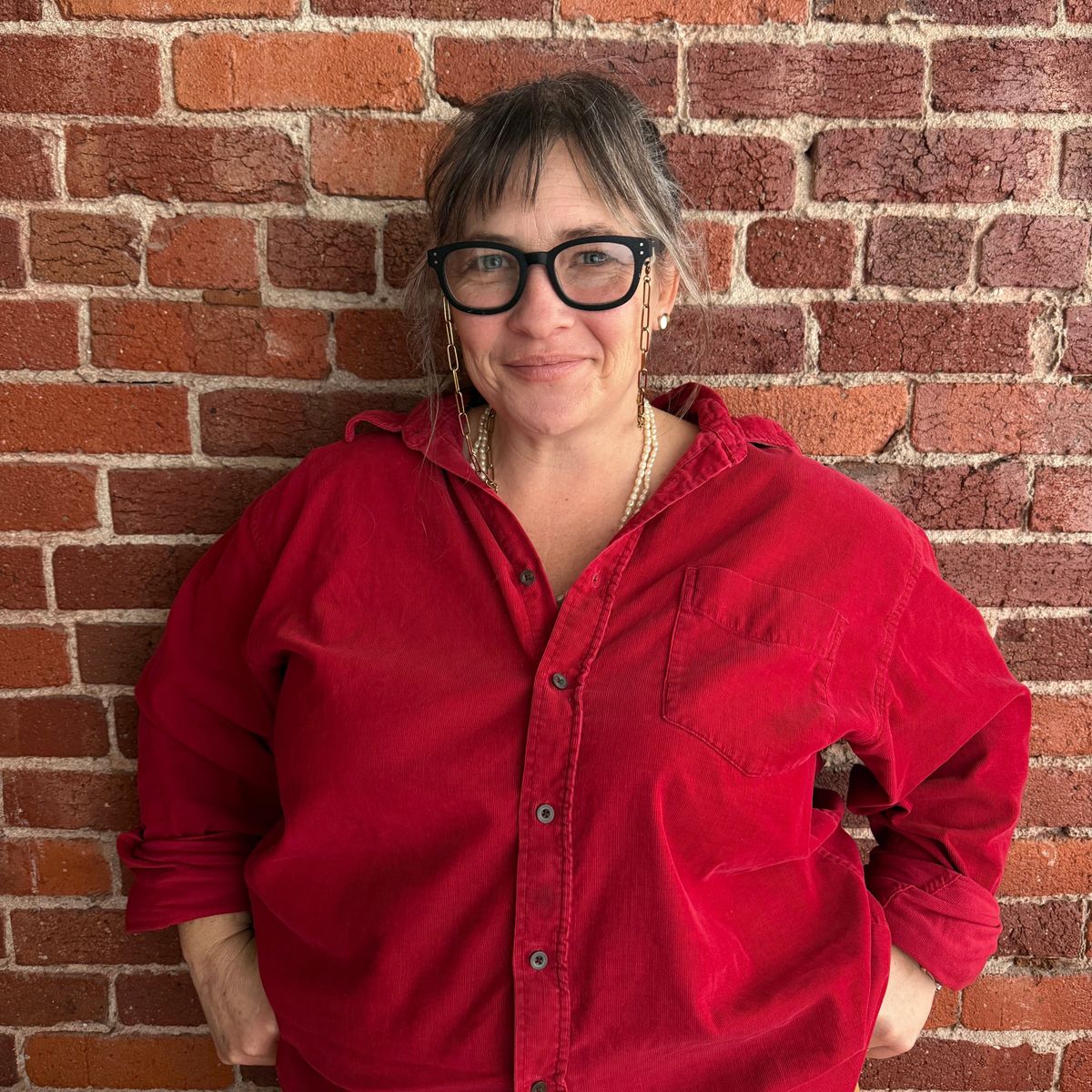
@Sarah Seitchik Sebastian is on the November 3 ballot for the Petaluma City Schools board, Trustee Area 5, listed as Non-Profit Director/Realtor. She is running against John La Bare, an operations manager. I have reached out to John for an interview and am hoping to speak with him as well.
Three seats are on the ballot and all three incumbents are leaving. The Area 5 seat is being vacated by Joanna Paun, who is running for county supervisor. If you want the basics first, I wrote up how the boards work, and why Petaluma has nine separate school districts, in Meet Your Petaluma School Boards.
Sarah studied community studies and education at UC Santa Cruz, a major she describes as the theory and practice of social change. She lived in Cuba for three years, came back to outdoor education and nonprofit work, and then found her way into real estate. In 2019 she was one of the people who started TIDE, the Team for Inclusivity, Diversity and Equity, after students described experiences of racism in Petaluma City Schools at a community forum. She now works for Marin Promise Partnership, a cradle-to-career network in San Rafael. She has three children.
Why run now?
She says she did not want to. When Joanna Paun, Caitlin Quinn and Mady Cloud announced in January that all three were stepping down, she says she started recruiting people to run, and that three people said yes and then backed out. She was already serving on the district's Local Control Accountability Plan committee, known as LCAP, which sets goals and directs part of the budget.
"When people would ask me, Sarah, why aren't you going to run, I said, well, I already have a place here. I'm in LCAP. I'm showing up and I'm doing the work. So I don't need to be there."
"I'm not really interested in the fanfare or the notoriety or anything that has to do with positional power. I just want to get the work done."
A week before the filing deadline, she says, Joanna Paun called and told her nobody else was doing it. She filed.
Asked whether she would have run against a sitting board member, she said no. She says she believes in diversifying positions of power, and that while she is Latina, bicultural and Jewish, she is also a white woman. "I'm not about replacing a woman of color. So I would not have run against Joanna."
What would you bring?
She says her way into the work has been policy and funding flows. Besides the LCAP committee, she has chaired the advisory council and the friends of the library group at Mary Collins at Cherry Valley, where her youngest goes to school.
"Where we put our money is where our values are most present. Our values are in action where we spend our money."
She also points to real estate as part of what shaped her. Redlining, loan practices that gave returning white servicemen subsidized mortgages and denied them to Black and Latino veterans, and Proposition 13's effect on school funding are, in her telling, behind much of the disparity now showing up in classrooms. She says that tension is part of why she took a large pay cut to do equity work full time.
What is the district getting right, and what is it not?
She says she does not think about it as right and not right, but in terms of where there is still room to grow, and that the people working in Petaluma City Schools are working with everything they have while the system itself needs to change.
What she wants is disaggregated data driving the decisions. She says the district looks fine from a wide angle on the California School Dashboard, mostly yellow and sometimes green, but that the picture changes when you break it out by special education students, low income students, unhoused students, students of color and English learners.
She brings up targeted universalism, a policy framework developed by John A. Powell at UC Berkeley's Othering and Belonging Institute. The idea is that you set one goal for everyone, then build different strategies to get each group there, on the theory that solving for the people furthest from opportunity moves everyone along the way. Her comparison is a parent walking with several kids. You carry the baby who cannot walk, and everybody keeps moving.
"We need to widen the road."
What are your top priorities?
Learning, first. She says that even after eight years she has only ever been involved as a stakeholder, and that year one is listening to families, teachers, classified staff, principals and administrators. Then she wants a data-backed approach with accountability attached, meaning strategies built on the disaggregated numbers and measured against whether they work.
Then the budget, which she wants to be sustainable over five and ten years rather than year to year, and which she does not think can keep depending on the state alone. She points to Healthy Petaluma, the former Petaluma Health Care District, which sold Petaluma Valley Hospital and holds a substantial endowment. If the district has to cut nurses, she says, going to them is a no-brainer alignment for partnership and funding support.
And cross-sector collaboration, which she ties back to why she thinks kids struggle in the first place. She lists food insecurity, housing insecurity, families working multiple jobs, fear about immigration enforcement, and mental health. "Those are all outside of the classroom. However, they show up in the classroom."
On the 2024 bonds
Measures Z and AA passed in November 2024, $70 million and $159 million, and the board approved a plan last December that spends all $229 million. Asked whether an incoming board might revisit those earmarks, she says some of it is already underway, including the performing arts center and the Cherry Valley building, and that she would need to get inside the budgets before saying what could move.
She is clear that she is not the finance person. What she says she brings is questions. She credits Amanda Bonivert, the district's chief business official, with knowing the intricacies of the different funding flows and how to make them work together, which she says is the difficult part.
How are you running your campaign?
A lot of it has been endorsements. She says she has the Sonoma County Democrats, the North Bay Labor Council, the Working Families Party, the Sonoma County Democratic Socialists of America, California State Controller Malia Cohen, Petaluma City Councilmember Janice Cader Thompson, and all but one of the sitting school board members. Beyond that it is door knocking, a website and some social media, which she says has been slow.
She says the selling part is the hard part. "It's hard to sell yourself." What she keeps saying instead is that it is a group project. "Our educational system is a group project, this campaign is a group project. I am here holding this specific role, but it is not about me."
She says there are two candidate forums on October 12, a student-led one at Casa Grande in the afternoon and an American Association of University Women forum at City Hall that evening.
Sarah's site is sarahs4schools.org. I plan to report on all of the candidates running for the Petaluma City Schools board, and to run each conversation the same way as this one. Porchmail @Sarah Seitchik Sebastian with questions, and thank you Sarah for the time.
♦️♦️♦️♦️♦️
More on the schools
Porches built a public data dashboard for Petaluma City Schools at petalumaschools.com, using district audit reports and state and federal enrollment files. Enrollment school by school going back to 1993, per student spending, the $6.1 million in cuts this year, and where the $229 million in bond money is going are all in there.
And for the governance basics, who sits on which board and what those boards decide, Meet Your Petaluma School Boards is the place to start.