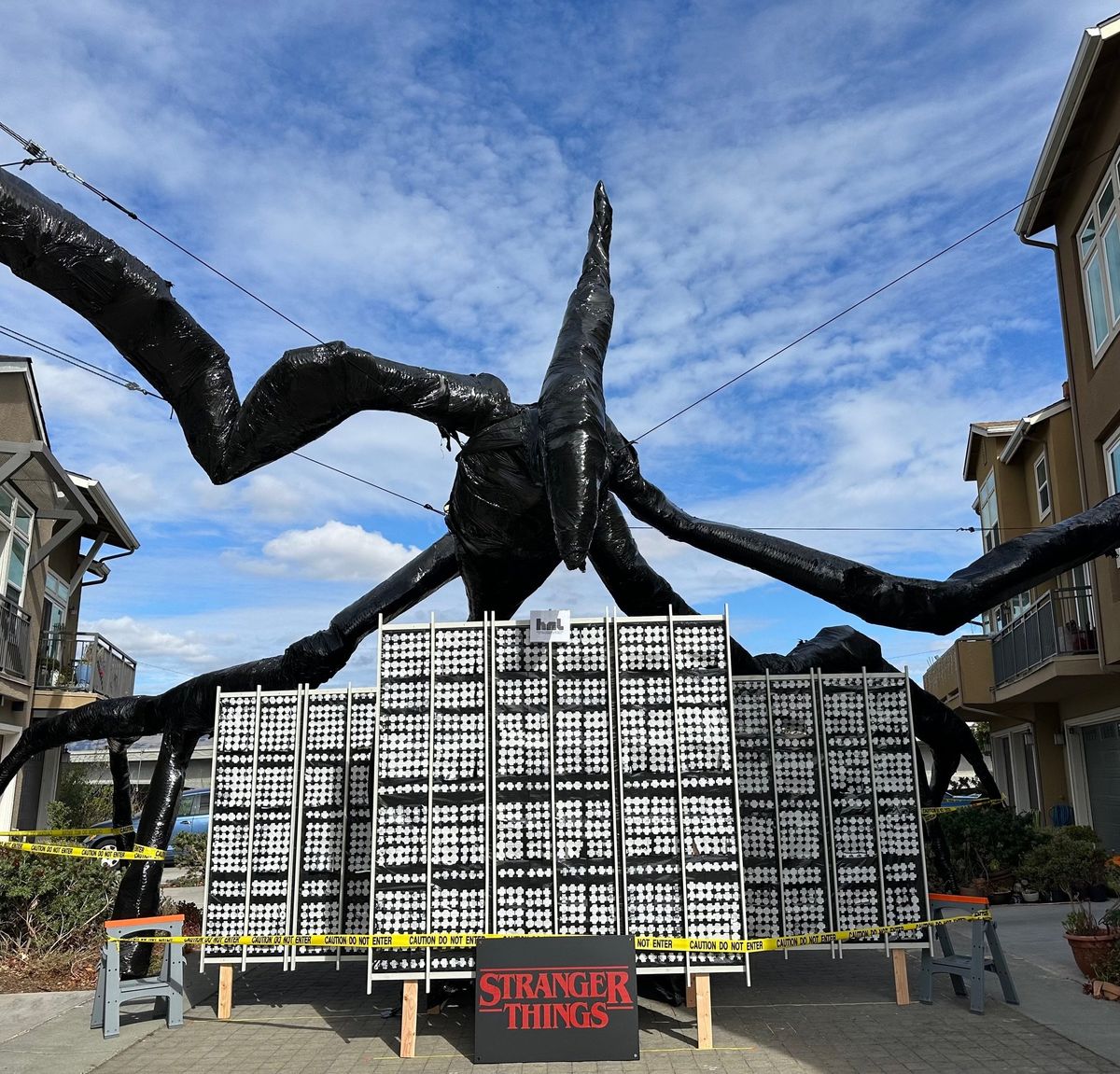
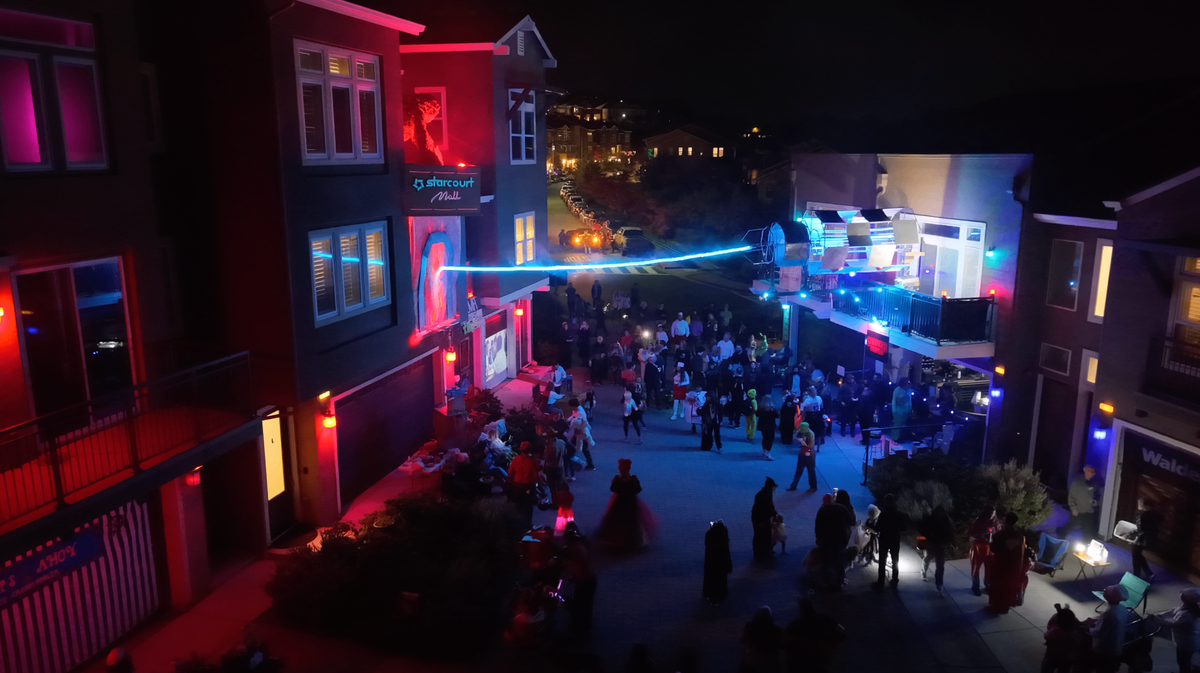
At midnight on Halloween in 1964, thirteen people joined hands around a table. Before them were handcuffs, a Ouija board, and a wand said to have belonged to Harry Houdini. The candles flickered. Petaluma journalist Bill Soberanes felt something strange. But no sign of Houdini appeared.
Before he died on Halloween in 1926, Houdini and his wife, Bess, agreed on a secret message he would send if he could reach her from the other side. In 1929, Bess briefly believed a medium had delivered it. Houdini’s friends questioned the claim, and she later lost faith in it. At her final public séance in 1936, she declared that he had not come through.
Locally, Bill Soberanes and local magicians took up the quest in 1964 and kept it going until 2002. The séances moved around Sonoma County, including at homes across town and at the Petaluma Museum. Some years produced stories: Soberanes wrote about unsettling sensations in 1973, and at a 1983 gathering, attendees said a knife flew across the room and lodged beneath a door. But there hasn’t been a direct message or contact yet.
This year, on the 100th anniversary of Houdini’s death, you can join in a séance hosted by the Petaluma Historical Library & Museum. Board members Jocelyne Curran and Nicole Rogers stopped by today to tell me more about the event, taking place the night before Halloween on October 30th.
The séance will be led by a well-known local medium. About 20 guests will sit in an inner circle, and many others can watch and participate from the room or balcony. There will be cocktails, small bites, and tarot readings before the official séance begins. If you ask me, it certainly seems like the 100th anniversary of his passing is the year Houdini would attempt contact, so this could be quite the historic event.
The event is for adults 21 and over. Tickets aren’t on sale yet, but Porches members will get early access in the days ahead. Here’s their Instagram post with a few more details: https://www.instagram.com/petalumamuseum/
We’ll share the special ticket link as soon as we have it. Stay tuned....
Fiona Monga• 1d ago
3010
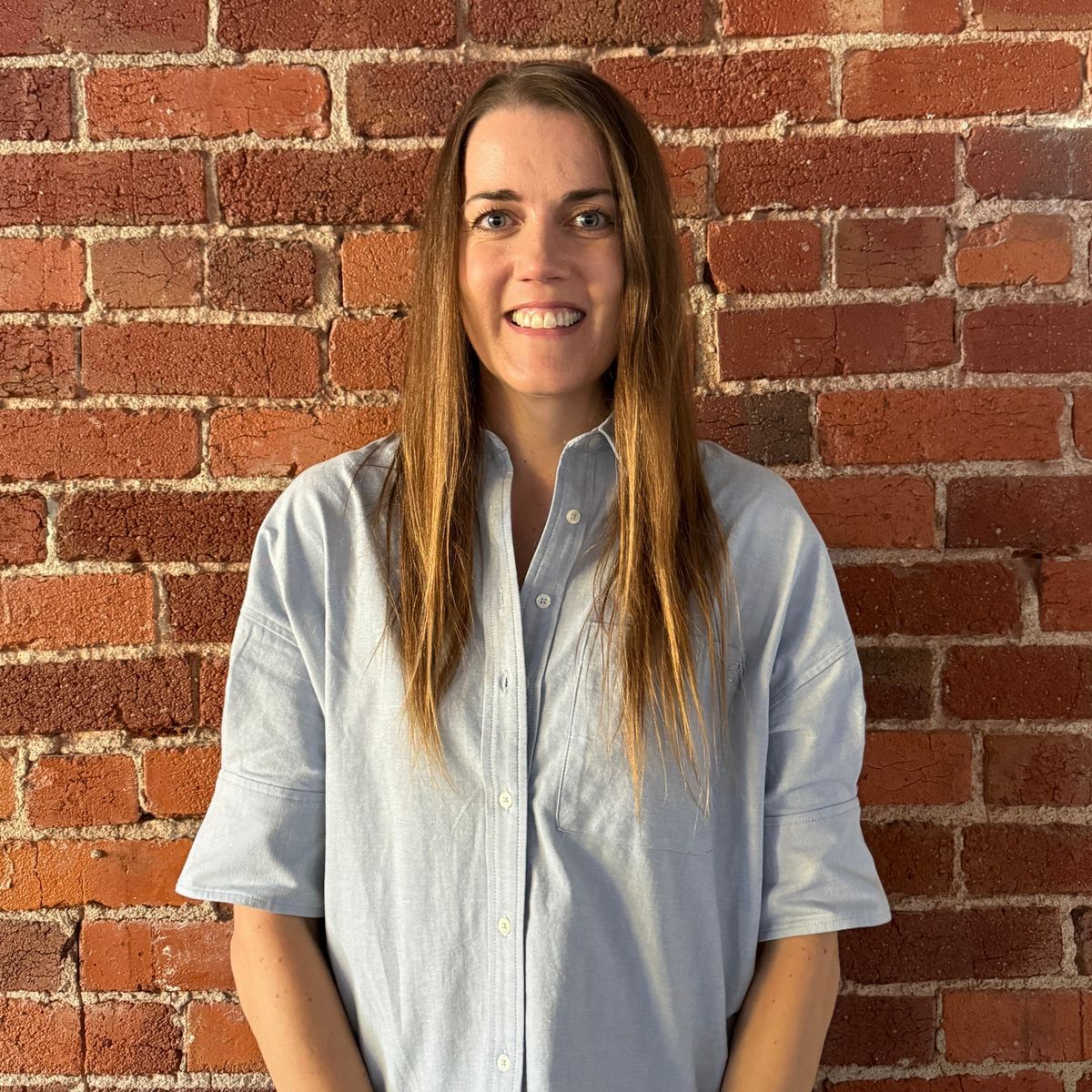
Meet Laura Holmes: Petaluma City Schools, Trustee Area 3 candidate
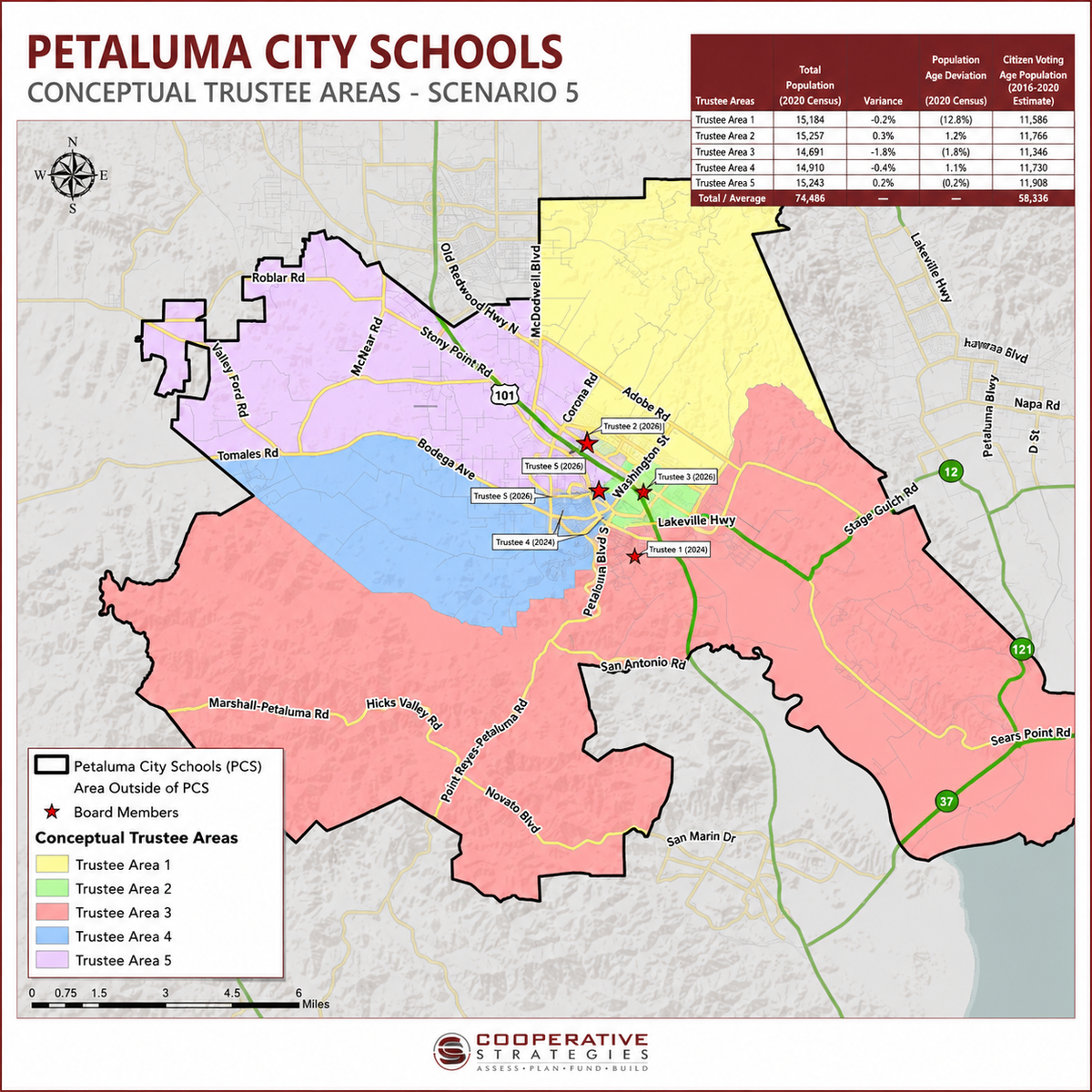
Laura Holmes is on the November 3 ballot for the Petaluma City Schools board, Trustee Area 3, listed as Parent/HR Consultant. She is running against John Garcia, a physician and medical director. I have reached out to John for an interview and am hoping to speak with him as well.
Three of the five seats on the board are on the ballot and all three incumbents are leaving. The Area 3 seat is being vacated by board president Mady Cloud. The district also has a new superintendent, Davina Goldwasser, who started July 1, after fourteen years under the former superintendent. If you want the basics first, I wrote up how the boards work, and why Petaluma has nine separate school districts, in Meet Your Petaluma School Boards.
Laura has lived in Petaluma for seven years, by way of Philadelphia, and before that Los Angeles and San Diego, and the East Bay. She and her husband grew up in the East Bay and met in sixth grade, which she says was on her mind when their own son hit sixth grade last year. They have two children in Petaluma City Schools, the district she is running to serve.
Her career is human resources. She started running HR for Target stores in the Los Angeles market in her early twenties, in buildings with hundreds of employees and around-the-clock operations. She burned out, and went to work at a flower shop to decompress. Then a credit union, where she built HR programs from scratch, then more than a decade implementing HR software, then health tech, where she led teams of consultants and carried budgets and millions of dollars of client work. Three years ago her whole team was laid off. She now runs her own coaching and consulting practice.
Why run now?
She starts with the simplest version of it. "Educating our kids is one of the most important things we do as a community, and I wanted to be a part of that."
From there she gets to who is at the table. She says parents currently in the schools were not well represented on the board, and that the moment itself is unusual. "There's going to be three new board members, there's a new superintendent." She describes that as a highly transitional time, and says navigating transition is what she has done professionally.
"I see transition very much as an opportunity. Not that it's easy."
What would you bring?
She starts by saying what she does not have. "I acknowledge I have a lot to learn. I've never done this before. I don't have a background in education."
Then she talks about supporting teams through transition, which is the work she has dedicated her career to doing. After that she names what she would focus on. Student outcomes understood broadly, or what she calls the whole student, meaning mental health and arts and culture alongside math and literacy. Teachers, because "you can't have these positive student outcomes without supporting teachers," with the resources, time and training to do a hard job. Equity, which she says has to show up in how a district budgets. "How we choose to budget reflects our priorities."
Laura also wants facilities built for a changing climate, with the infrastructure and the awareness in place for what that brings. That means air conditioning for hot days, and HVAC that can handle smoke and poor air quality days. For her this is a priority, and she says preparing for it is something the district has to keep doing rather than fix once.
What is the district getting right, and what is it not?
What it gets right, she says, is less a specific program than a willingness to keep going. Education is complicated enough that someone is unhappy with every decision, and she credits the district with continuing to move anyway. "It's a dedication to keep moving forward."
What she would change is communication. She did not say it is what gets decided, but how clearly the district explains the way a decision gets made. She added that, as an HR person, she understands there are things you cannot always share.
Would you revisit how the 2024 bond money is earmarked?
Measures Z and AA passed in November 2024, $70 million and $159 million, and the board approved a plan last December that spends all $229 million on projects running through 2033. She said plainly that she does not know what is procedurally possible here, and was equally clear about her instinct.
"You can create a lot of dust if you start to try and go back and redo what other people have already done." If something looked egregious, she says, questions make sense. Otherwise she would trust the decision made by the people in the seats at the time.
How are you running your campaign?
Low key on purpose. Yard signs because friends asked, maybe flyers, conversations where she can get them. She says she went through the endorsement process and has the Democratic Party's endorsement, and is still talking with the teachers union and the union for classified employees.
"I'm just gonna be me. Not pretend that I'm going to do something because someone else thinks that's how you're supposed to campaign."
Outside the campaign she volunteers in her kids' classrooms, chaperones field trips, grades papers, stocks shelves at the Redwood Empire Food Bank's Food Connections Market, where shelters and agencies shop for the people they feed, mentors, and worked the Friends of the Petaluma River Sunset Fandango. A student at Casa Grande who serves on the school board is organizing a candidate forum in October and has invited all of the candidates.
What would be different four years from now?
She goes to outcomes, and specifically to the groups of students who are not doing as well as the district's overall numbers suggest. Students of color, students from immigrant families, students still learning English. She points to the California School Dashboard, where anyone can see where Petaluma falls short.
Her measure is not one benchmark for everyone. "You can't expect that their goal should be the same score." What she wants is every group and every kid moving, and arriving at the next thing, junior high or high school or a trade or college, better prepared than they were.
Laura's site is votelauraholmes.com. I plan to report on all of the candidates running for the Petaluma City Schools board, and to run each conversation the same way as this one.
Porchmail Laura Holmes with questions, and thank you Laura for the time.
♦️♦️♦️♦️♦️
More on the schools
Porches built a public data dashboard for Petaluma City Schools, using district audit reports and state and federal enrollment files. Enrollment school by school going back to 1993, per student spending, the $6.1 million in cuts this year, and where the $229 million in bond money is going are all in there.
And for the governance basics, who sits on which board and what those boards decide, Meet Your Petaluma School Boards is the place to start....
Lizzie Wallack• 2d ago
153
HEART OF THE VEGETABLE
Call it Yu Choy or Choy Sum. In Cantonese, Choy Sum translates roughly to “heart of the vegetable,” and it is one of my favorite vegetables at the Farmers' market in the spring, summer and fall. Of course, I could have said my favorite Brassica but then I’d have to dive into what that means. I’d have to mention those are a large genus of flowering plants in the mustard family.
You know: broccoli, cauliflower, cabbage, brussels sprouts (yum), kale, collard greens (yum, yum), bok choy, rapini, broccoli rabe, to name a few.
Whereas one might declare “I don’t like rapini, it’s too bitter. I probably don’t like Yu Choy.” Alas, that’s where you are wrong.
Yu Choy has a lower concentration of defensive bitter compounds such as glucosinolates and myrosinase. Yu choy does have a slight pepperiness. Moreso, its flavor is closer to spinach or bok choy. I find it really tastes green. The texture is also a strong draw for me. The long, slender stalks are crisp and retain their crunch when cooked.
Yu Choy is high in Vitamn A, Vitamin C, Vitamin K, Calcium, Iron and Potassium. I command thee to go to the market post haste and return with at least 1 bunch!
What’s one way I like to enjoy this super-food? I’m glad the question is on your mind. Below is a simple way to serve this vegetable. Feel free to reach out to me directly if you want more ideas.
YU CHOY FRIED RICE - of course by grouping ‘fried’ and ‘rice’ you arrive at the conclusion this must be an Asian inspired dish. Sure, it could be but doesn’t have to be. Whether you have leftover rice from yesterday (drying slightly in your 40-degree fridge) or just cooked rice, chilling and drying for this purpose, this is an easy, delicious side dish or main dish.
2 tbs avocado oil
2 cup chopped Yu Choy (leaves and all)
½ cup onion (Vidalia, Walla Walla or Maui) sliced thin
1 ½ cup cooked rice (it should be cool & preferably dry)
½ lemon zest and juice
salt and pepper to taste
Over high heat, sauté the Yu Choy and onion.
Once the Yu Choy is just cooked and the color has become more vibrant, add the rice and allow it to brown slightly. This is the key to most fried rice dishes.
Remove from heat and add some lemon just, lemon zest, salt and pepper.
Enjoy
See? Doesn’t that sound simple? Of course, you could add ginger or garlic or chile-crunch or butter. Experiment. Discover how you like it.
After all, when it comes to Yu Choy, the heart of the matter is simply getting it into the pan....
Daniel Capra• 3d ago
112
Looking for some Culture?
Part I:
Come down to the Watershed opening Thursday (tomorrow) for some free bites and sips from 4-7 and check out some inspiring art spaces! There will also be a second opening this Sat 4-7
Part II:
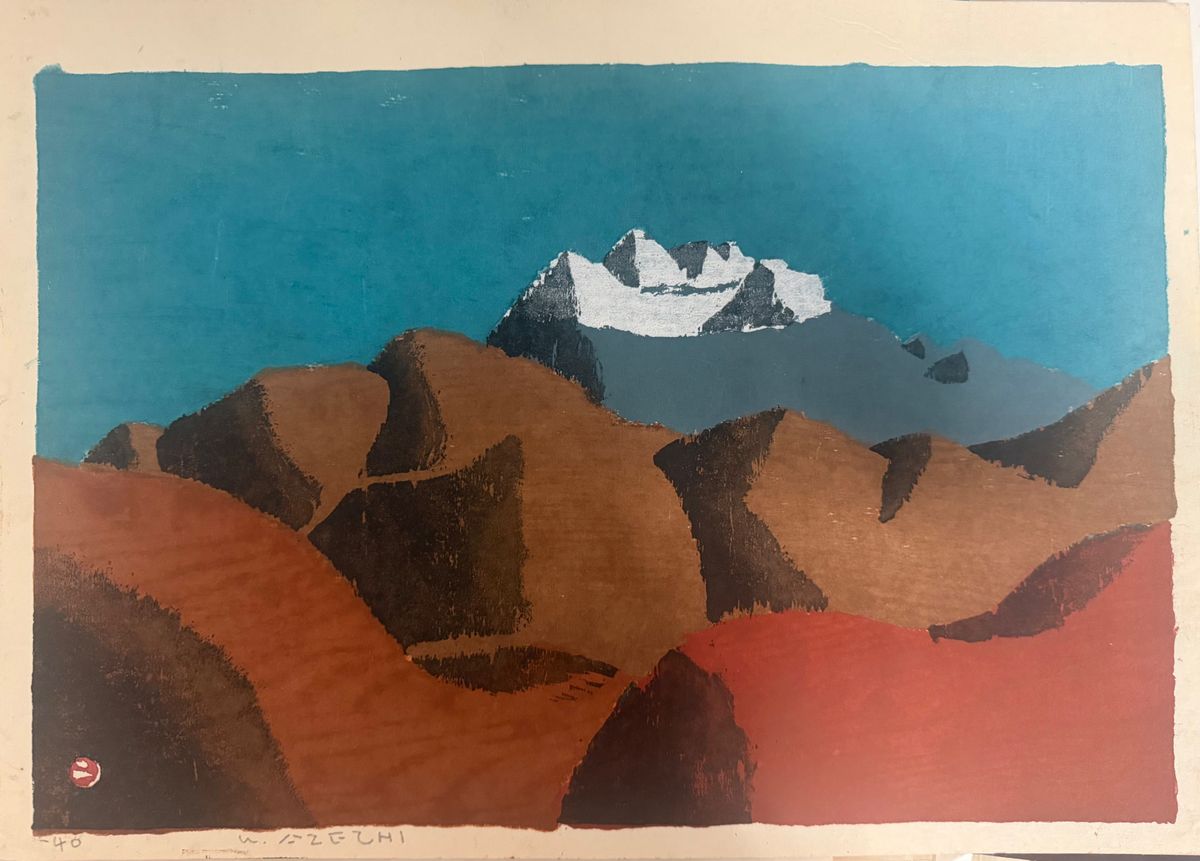
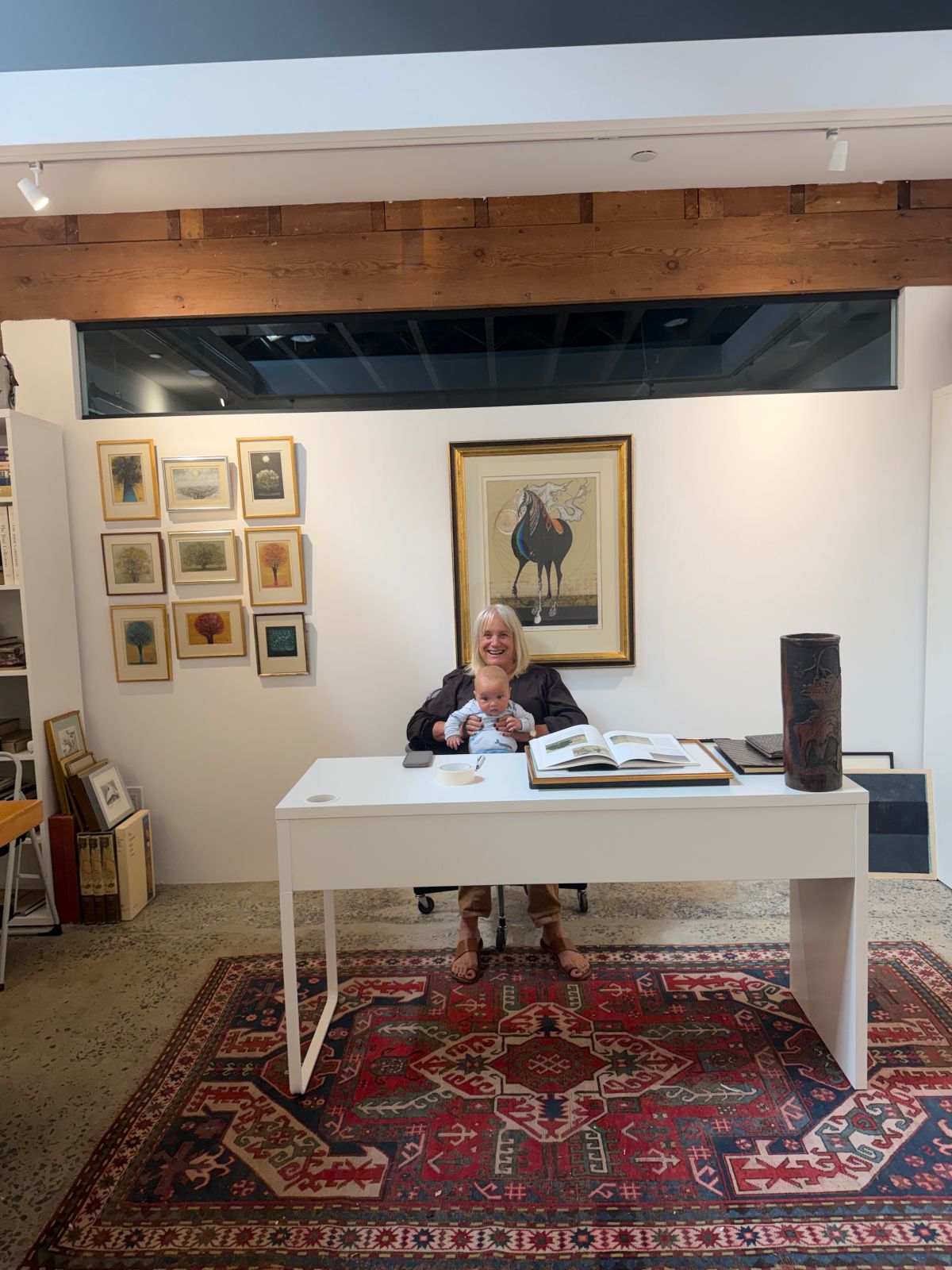
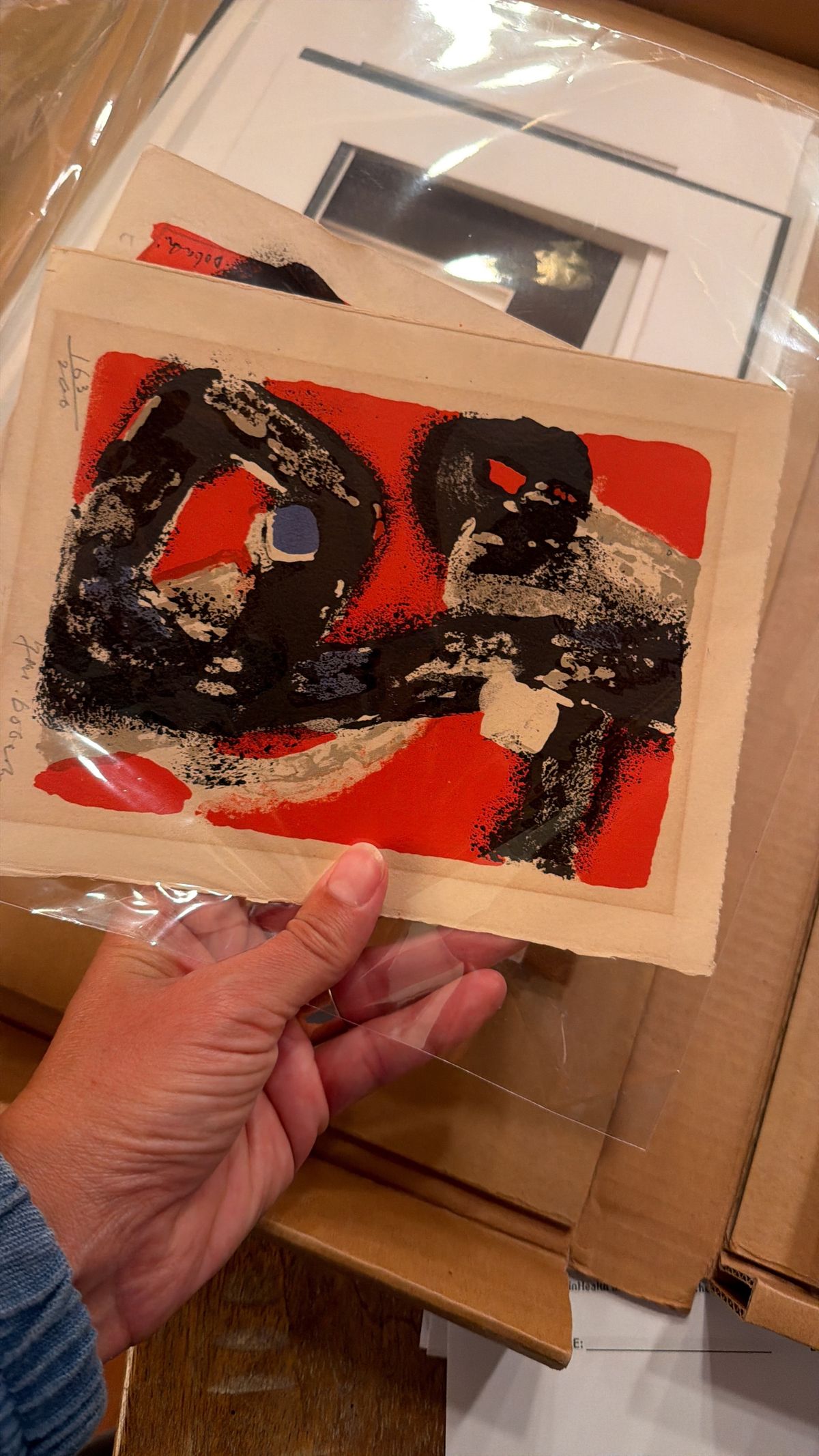
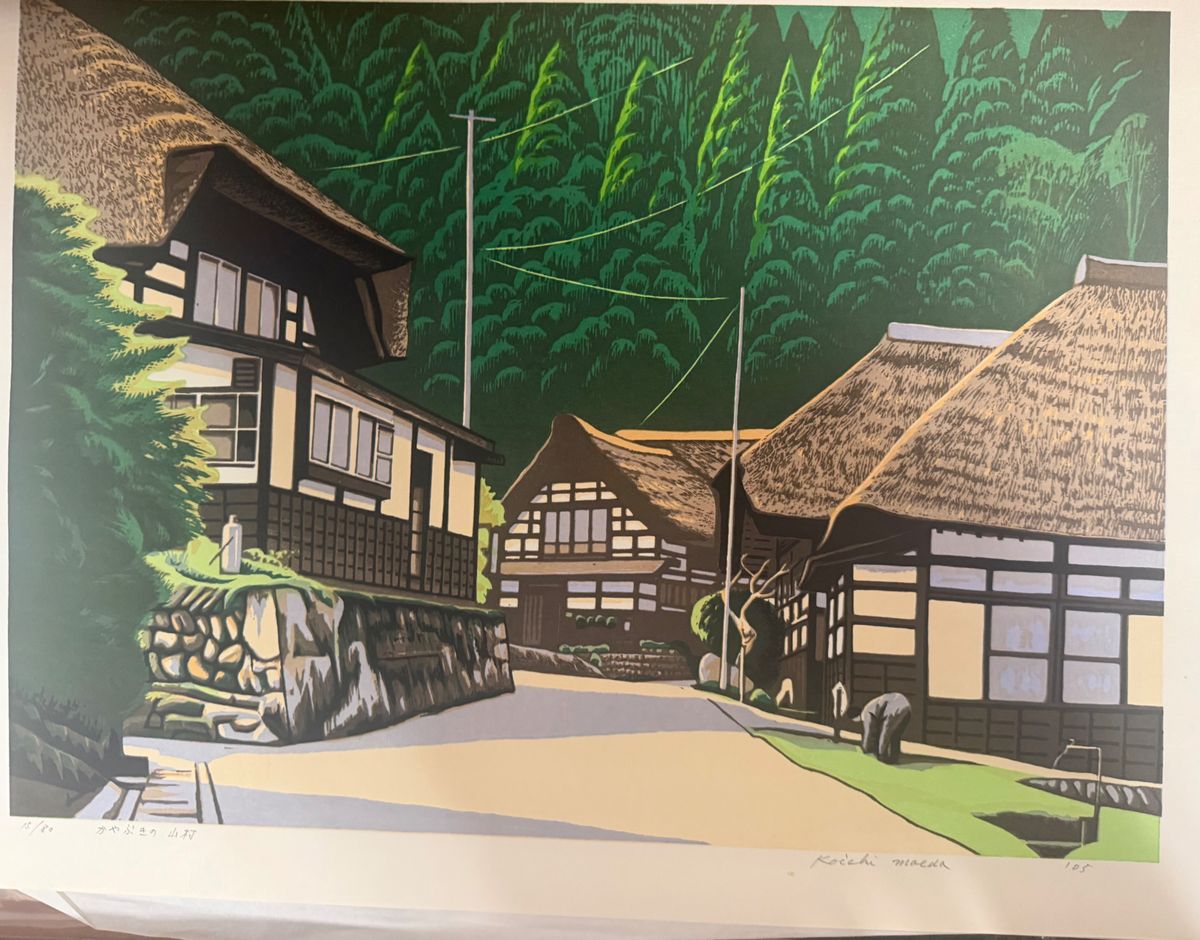
While at the Watershed I invite you to visit Scriptum Fine Japanese Prints. Scriptum was created by my grandmother and Papyrus founder, Margrit Schurman, in 1998. As an art historian and Japanese print enthusiast, she started as a collector. She eventually decided to create an online business, Scriptum Fine Japanese Prints. My mother, Michele Ross, joined my grandmother 20 years ago and is now the owner of the business. My grandmother would always tell me if you remember one piece of artwork from a trip to a museum then the experience was worth it. I invite you to come and enjoy Japanese works on paper from traditional to modern and hope the experience will leave a lasting impression.
www.scriptum.com
Some personal picks…however, one can’t appreciate the detail and textures this way. They must be seen in person. Also included a photo of Michele and my baby boy Joán at the gallery:)...
Alexa Alarcon• 3d ago
92
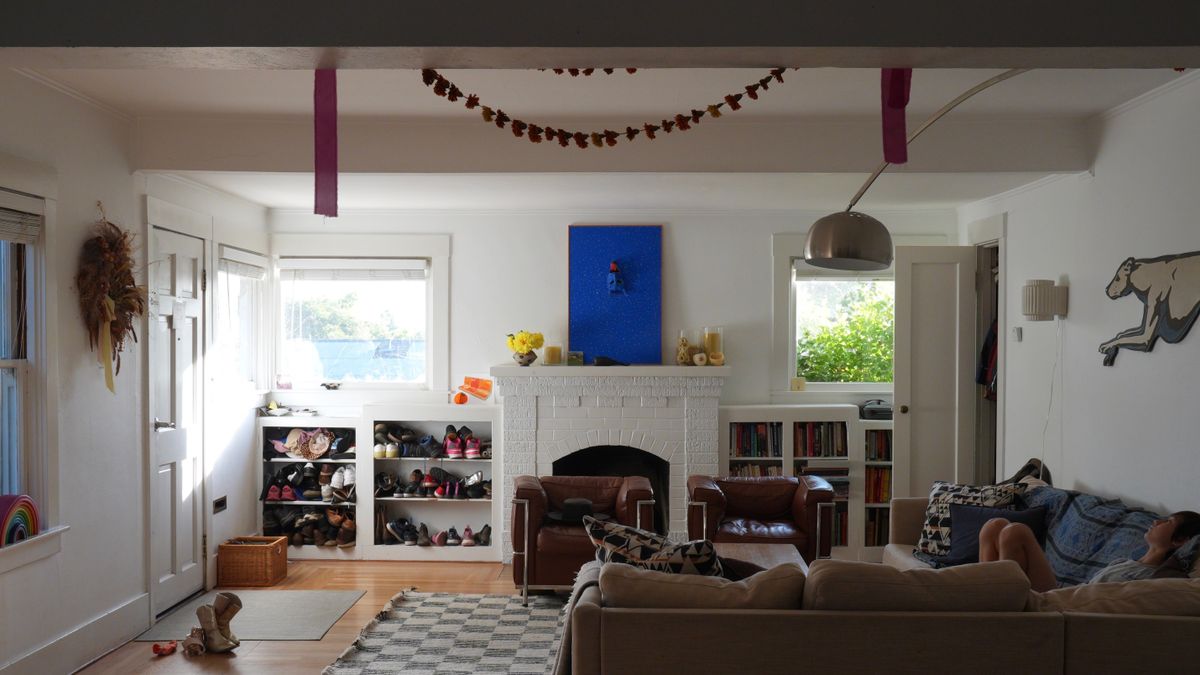
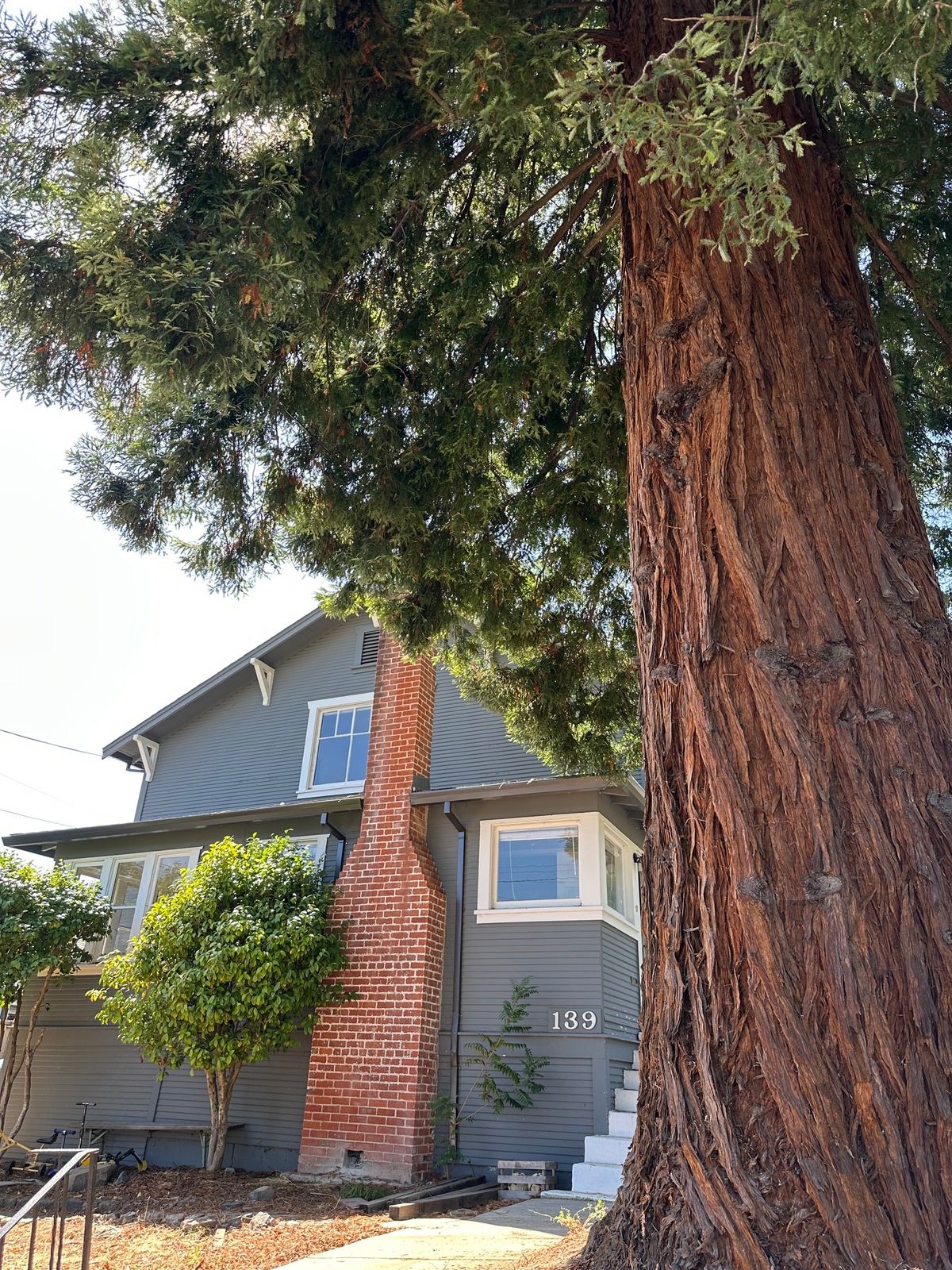
139 Hill Blvd
Long before 139 Hill Boulevard became someone's home, Hill Boulevard itself was part of a much bigger idea for Petaluma.
In 1905, banker and developer Alexander B. Hill and his partners purchased the old Clark Ranch on Petaluma's west hills. They envisioned turning the property into the Hillside Tract, a residential neighborhood filled with what newspapers called “hillside villas.” The principal street through the development was planned as Hill Boulevard.
It was an ambitious plan. Hill invested in roads, water and sewer lines, and even operated a quarry on the property to produce rock for the roads and sidewalks. The original plan called for Hill Boulevard to run from Western Avenue toward D Street through the new development. But the hillside lots proved difficult to sell. By 1919, Hill was asking the city to abandon much of the original street layout so the land could instead be divided into five-acre farms. At the time, Petaluma's booming egg industry made agricultural land a much easier sell.
The grand vision for the Hillside Tract never quite came together. Portions of the property were later subdivided, and in the 1920s the road was sometimes referred to as Hill Drive. Eventually, as Petaluma grew into the west hills, homes filled in around the old planned boulevard.
By the time 139 Hill Boulevard was built in 1927, the street had already been through several lives of its own.
We don't know who lived in the house first, but by 1932 there was already a young girl living there. A small classified ad in the Argus-Courier advertised her services as a mother's helper. Her name was never printed, but that little ad gives us the first glimpse of life inside the house.
A few years later, the Kellers arrived, and 139 Hill Boulevard became home to a family that seemed to have a hand in just about every corner of Petaluma life.
Don Keller had come to town in 1925 to work in the printing business with his great-uncle. What started as a small shop on B Street eventually became Petaluma Printing Company. Don took over the business in 1940, and eventually his son Bob joined him. The family business grew along with the family itself, moving from Kentucky Street to Second Street as the company expanded.
At home, Don's wife Beryl was just as busy. She was deeply involved with the Order of the Eastern Star and regularly opened the doors of their home to friends, clubs, and community groups. Sewing clubs planned bazaars there. Eastern Star members held meetings and rehearsals there. When a local girl got engaged in 1953, her kitchen shower was held at 139 Hill Boulevard, complete with flowers, games, and a little wedding scene arranged for the guests.
The house was also where the Kellers raised their four children. Bob eventually followed his father into the printing business. Their daughter Leah became a teacher at Lincoln Primary School and was known for singing at Eastern Star events. Their youngest daughter, Karen, went on to San Jose State and became involved in Rainbow for Girls, eventually receiving one of the organization's highest honors.
The Kellers were the kind of family whose lives seemed to extend well beyond their front door. Don was involved with the Chamber of Commerce, the Rotary Club, the Elks, and several Masonic organizations. In 1945, he became president of the Petaluma Chamber of Commerce, where one of the issues on the table was the idea of a municipal airport.
And during the war, 139 Hill Boulevard was the address listed for his son Bob when he enlisted in the Navy.
For nearly twenty years, the house was the backdrop to all of it: children growing up, businesses changing, community events, and the ordinary comings and goings of a busy Petaluma family.
By 1958, the Kellers were gone and the Klemenoks had moved in.
John I. Klemenok had already spent decades working in Petaluma. He drove a line-haul route for the Petaluma branch of Poultry Producers of Central California, a job he held for twenty-five years. In 1959, the company honored him with a gold watch.
The Klemenoks brought their own version of that same open-door feeling to Hill Boulevard. Their home became a gathering place for the Rainbow Mothers Club, and Mrs. Klemenok helped organize adult dance classes through the House of Leon School of Dance.
Their children kept the house in the local paper, too. John appeared in the sports pages as a kid, later winning an egg-throwing contest at a state picnic with a friend named Judy Clisbee. Years later, he was being mentioned for his fishing success around Drake's Estero.
His sister Sonja took a different path, eventually becoming secretary to Petaluma's city attorney. Even the family dog made the news. In 1963, the Klemenoks' 120-pound German Shepherd was declared the biggest dog in Petaluma by the Argus-Courier's unofficial “Big Dog Department.”
By the early 1960s, another family had taken their place.
Richard and Dolores Lewis moved into 139 Hill Boulevard around 1963, beginning what would become the longest chapter in the house's history. They stayed for more than thirty years.
The Lewis years were full of the same everyday moments that had filled the house before them. Their children grew up there. Community groups met in the living room. Their son Gregory was later recognized as a local scholarship winner. In 1967, their three-year-old daughter Lisa was hit by a motorcycle in an accident on American Alley. She was taken to the hospital and, thankfully, released. The newspaper headline was simple: “Girl Okay.”
Over the years, though, Dolores became the name most closely associated with the house.
She was involved in local politics and civic life, turning up in campaign news and community events. She supported Jack Cavanagh's campaign for county supervisor in 1978. She even appeared in locally filmed movies, including Petaluma Pride and P.K. and the Kid, both made in town with plenty of familiar Petaluma faces.
In 1983, she attended a tribute for retiring Congressman Don Clausen dressed as a flapper for the Roaring Twenties-themed event. A few years later, during another election season, a newspaper columnist joked about the number of political signs filling local yards and named Dolores as one of the neighborhood's champions, with six signs on her lawn.
She was still living at 139 Hill Boulevard in 1994. By then she was retired, but she was still paying attention to what was happening in town. When the city was considering a public safety tax, Dolores gave the newspaper her opinion.
For the people who live around 139 Hill Boulevard today, though, Dolores isn't just a name in an old newspaper. Her Hill Boulevard legacy lives on.
Today, the Colla family lives here and has made it a wonderful home of their own.
Speaking of putting down roots, a massive redwood tree sits outside their front door.
Rachel's husband Tim believes its roots may even be contributing to the uneven floors inside the house. The tree has become something of a love-hate relationship for the family. It is beautiful, enormous, and loved by the neighborhood, but it makes it difficult to grow anything underneath it and has created its share of problems.
There is also something fitting about the fact that the tree connects the current owners to someone who lived in the house decades before them.
When Rachel and her family moved in during March of 2021, they were coming from Napa, where they had lived for about ten years. Her husband, Tim, is a winemaker, and the family had been living in a small house in the middle of the vineyards. With three children under five, Rachel knew they needed more space.
The timing was not exactly ideal. It was deep into COVID, and houses were moving quickly. They made offers in Napa and later looked in San Anselmo, where Rachel is from, but neither worked out. Eventually they expanded their search to Petaluma.
139 Hill Boulevard had been sitting on the market for about two weeks, which at the time felt unusually long. The house was old, large, and clearly needed work. It had no heat, knob-and-tube wiring, old windows, and very little that had been updated.
That was part of what attracted them.
They didn't want a house that had already been flipped. They wanted something with its original character, something they could eventually work on themselves. The only problem was that they had three young children and, as Rachel put it, probably underestimated what that would mean.
The house has six bedrooms, far more space than the family was used to. Before moving in, they had lived in a house that was only about 600 square feet. Suddenly they had rooms they didn't even have furniture for.
Five years later, they are beginning to put their own touches on the home.
One day, they took a chainsaw to the upper kitchen cabinets because they hung so low that they blocked the view through the room. They have also worked on the backyard and added a fence along the side yard. Otherwise, most of the house remains as they found it.
There is something intentional about that.
The family has grown into the house rather than immediately changing it. Their oldest is now ten, their daughter is seven, and their youngest is five. They moved in only weeks before their youngest was born.
What once felt almost comically large now gives the children room to spread out. One room has become a playroom, while another is used as a workout room. Their daughter Goldie already has her eye on the bright sunroom as a future bedroom.
They suspect that Dolores, who lived alone in the house toward the end of her life, may have spent most of her time downstairs and rarely used the upstairs rooms.
That means the house has experienced a lot more activity in the last five years than it had in its final years with Dolores. Five people now move through rooms that may once have been nearly empty.
And yet Rachel likes that nothing feels too precious.
The house has enough age that the kids can live in it without everyone worrying about every scratch. There is room for creativity. There is room to grow.
There is also a sense that the family isn't in a rush to turn it into something it isn't.
The house has “good bones,” as Rachel describes it. It is bright, full of little details that caught their attention when they first walked through, and largely untouched. The work will come eventually. For now, it is simply home.
That seems especially fitting for a house that has already held so many different versions of family life.
There are still traces of Dolores in the neighborhood, too. Rachel says people who have lived nearby for years will still avoid parking in the spot in front of the house because they remember it as Dolores' parking space. Of course, the street is public, and Rachel knows that. But the fact that people still think of it as Dolores' spot says something about how long she was part of the neighborhood.
The house has a way of holding onto people.
And beneath all of that is the much older story of Hill Boulevard itself.
The street that feels like an ordinary residential road today was once part of Alexander B. Hill's ambitious plan for the west hills. He imagined a residential tract with grand homes and a substantial boulevard running through it. The plan struggled, the hillside lots went largely undeveloped, and much of the original layout was eventually abandoned.
But the name survived.
Then, decades later, houses began filling in the neighborhood. Families moved in, raised children, hosted meetings, celebrated engagements, grew businesses, adopted giant dogs, argued over politics, and made memories.
139 Hill Boulevard has simply kept collecting them.
Rachel Colla...
Lucy Decker• 5d ago
153
Petaluma City Council, District 3: Karen Nau and Eric Vazquez
Two candidates for the southeast side, answering the same questions.
This is the third and final post sharing my conversations with the candidates running for Petaluma City Council in Districts 1, 2 and 3 this November. Districts 4, 5 and 6 will be up for election in 2028. We started with District 2, then District 1, and now District 3.
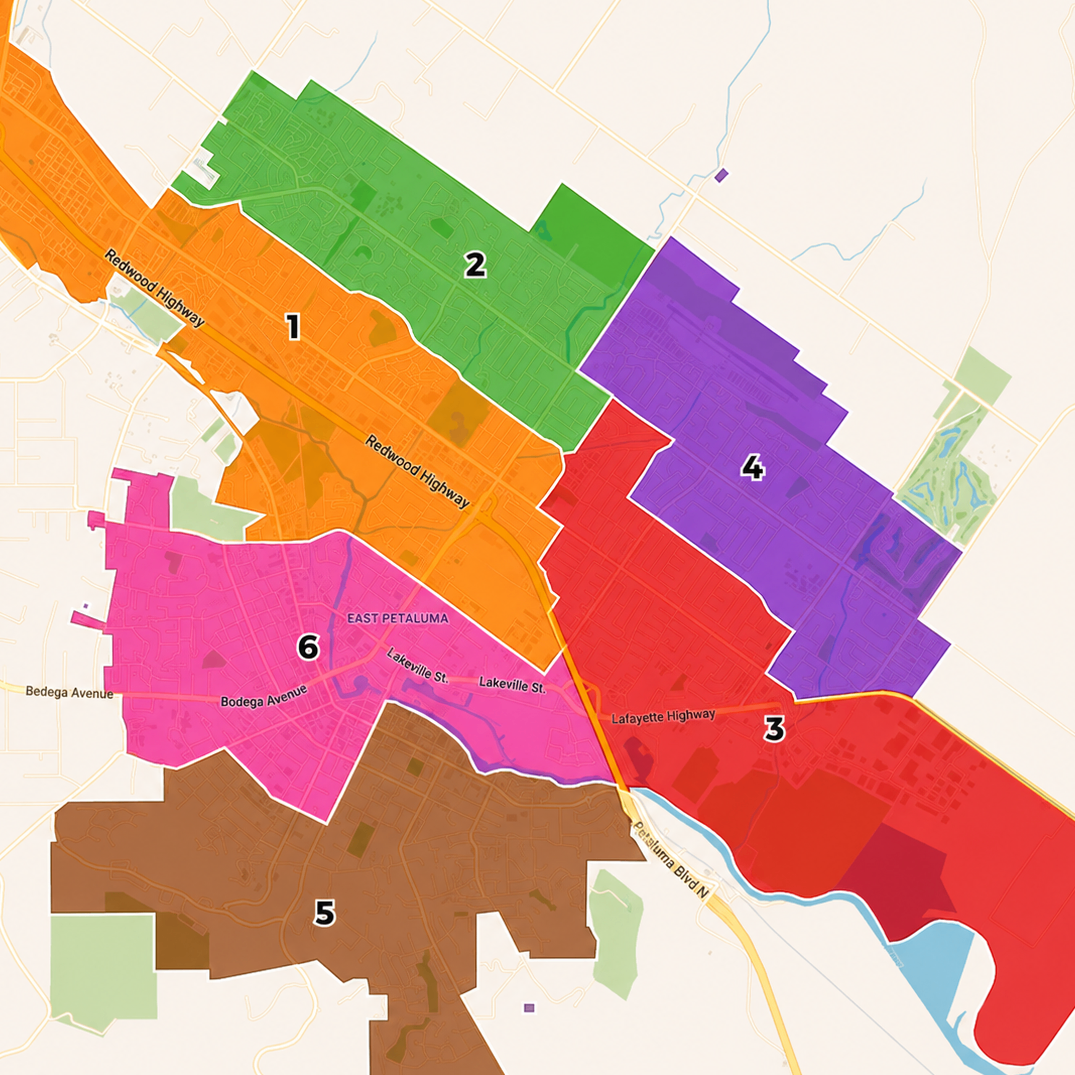
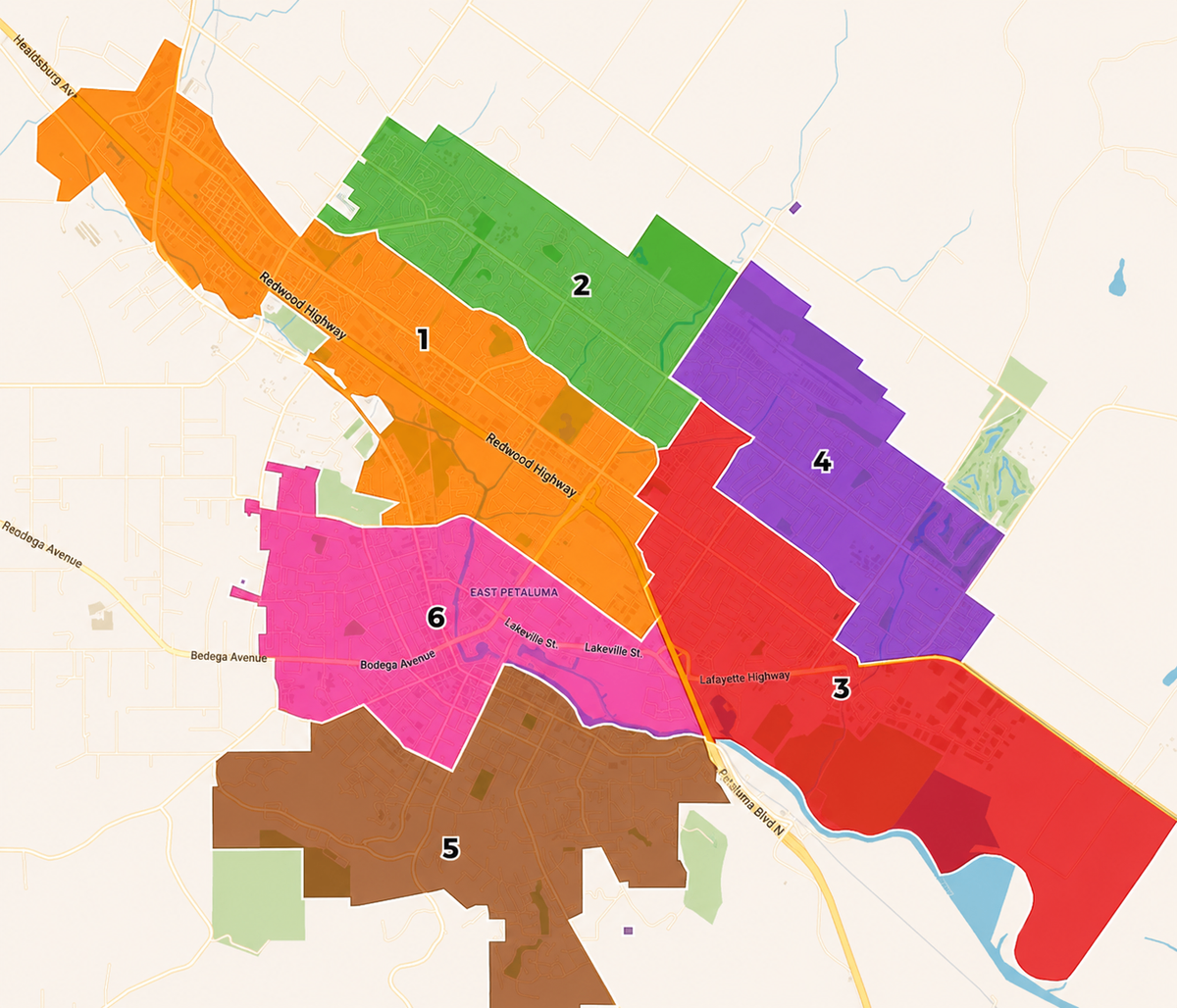
District 3 is the east side of town. It starts near Lakeville Street, runs southeast along Lakeville Highway out to the edge of town, and is bounded on the south by the river. District 4 sits directly to its north, and District 1 runs up the other side of the boulevard. It is one of six council districts Petaluma drew in 2022, when the city moved from at large to district elections.
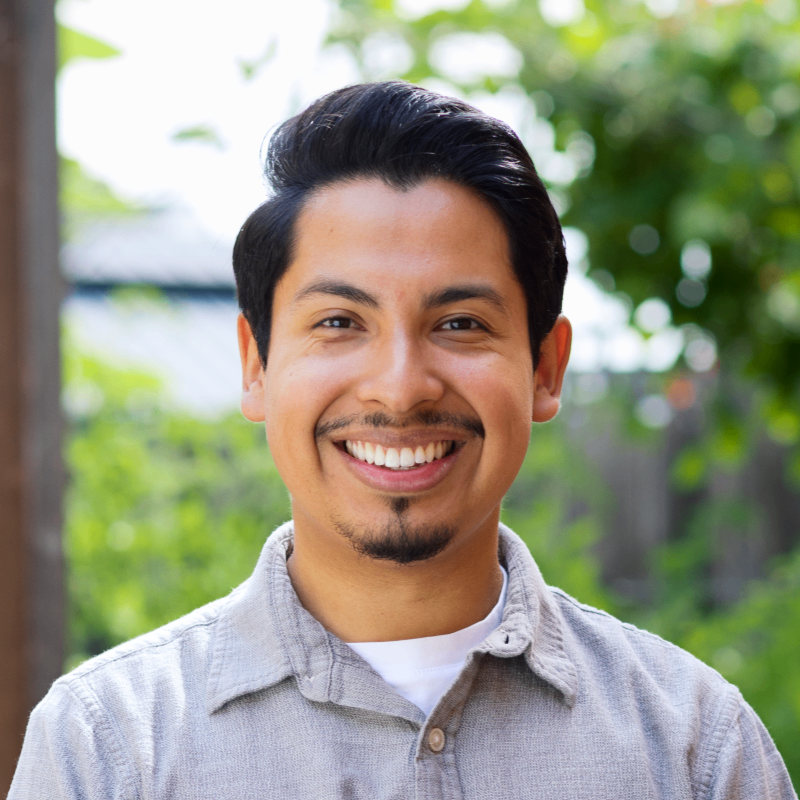
Two candidates are on the ballot. Karen Nau is the incumbent, elected to District 3 in 2022 in the city's first district election and running for a second term. Eric Vazquez-Izaguirre works in affordable housing and is running for the first time. I sat down with each of them separately and asked the same questions. They appear below in alphabetical order. If you want to learn more about what the council does and who is currently seated, we wrote that up here: guide to Petaluma City Council.
Who they are
Karen Nau has lived in Petaluma for more than fifty years. Her parents bought a farm on the west side and still own it. She raised three children on the east side with her late husband, in the house she still lives in, and has seven grandchildren in Petaluma schools. She taught preschool for more than thirty years and is retired. She served one at large term on the council from 2004 to 2008, came back in 2022 as the District 3 member, and was vice mayor in 2025. She sits on the Sonoma County Homeless Coalition board in Petaluma's seat.
Eric Vazquez works in affordable housing policy and government affairs for EAH Housing, a nonprofit developer based in San Rafael. He says his parents are immigrants, his mother from Honduras and his father from Mexico, and that they moved to Petaluma's east side in 1997 because it was what they could afford. He was born two years later. He went to Miwok Valley, Kenilworth and Casa Grande, then Santa Rosa Junior College, then commuted to UC Berkeley, where he studied political science. Eric is vice chair of the city's Transit Advisory Committee and this is his first run for office.
Why are you running?
Nau wants to finish what the council started. "I'm running again because we need to finish the things we've started." The general plan passed in mid-September, and she says she is the only member in the city's history to have worked on two general plans. The fairgrounds still need a master plan, and she says she has been trying to get the fire and police safety facility built for thirty years. To people alarmed by the general plan she says there is no project and no application attached to it. "It's just looking into the future."
Vazquez starts with who ends up on the council and on the city's commissions. He puts the Latino share of his district at about thirty percent and says he does not see people like himself in city government. Eric has lived across the street from Little Woods Mobile Villa nearly his whole life and grew up with those families, who he says are "being just attacked left and right by arbitrations and frivolous lawsuits from individuals who want to displace them."
"When we went to district elections, the whole point was to get someone more representative of a community. And I don't think that, at least in my district, we've reached that yet."
What are your top priorities, and how do they happen?
Nau names the fairgrounds first. "It's a very important asset to Petaluma." She says she wants a site that gets used more of the year, and points to the open barns as room for what she calls a 365 day farmers market.
Funding comes next, and she says people ask her why the city borrows. "A bond is like a mortgage. You can't build something. You don't have that kind of money in the bank."
Then housing, aimed at first time buyers who she says are not looking for two thousand square feet, and at what she calls an empty nester opportunity. She puts herself in the second group, and says she has been through every stage of homeownership, starting with a first house she could not qualify for on her own at thirteen and a half percent interest.
Vazquez gives three, in order. Affordable housing first, because it is what he knows best and because he says the term gets simplified. It is not only Section 8, he says. The gap he points to is at thirty to sixty percent of area median income. "We're not building these fast enough."
Transit second. He says his grandmother has never owned a car and came from San Rafael to look after him, so he learned Petaluma Transit's routes as a kid, and what bothers him is that he still knows them. He says Route 24, past his house, has never had weekend service.
Third is what he calls a working class agenda, and he names a decent wage, a livable climate and no collaboration with ICE as ideas to be loud about rather than ordinances he would write. "This may be a nonpartisan seat, but the issues are never nonpartisan. I am a progressive. I'm a progressive Democrat."
How do we get movement in the housing market?
Nau starts with houses already built and sitting empty. In her own subdivision, she says, there are homes that passed to the original owners' heirs, who live elsewhere, do not want a renter and are not selling. An empty house, she says, costs them nothing but the property taxes.
Then ADUs, and what she would add is letting one be bought rather than only rented, which she thinks would suit a first time buyer or someone downsizing into one. "It would be silly for me to rent after owning for so many years." On density she is for it downtown and next to the SMART stations, where she says it saves the farmland and the greenbelt.
Vazquez says rezoning by itself does not build anything. "We can do so much to rezone certain areas, allow for higher density, and yet we still don't see anything getting built." What is missing, he says, is money to realize the projects. He wants a city or county revolving loan fund, a public financing option so that nonprofit housing developers are not dependent on banks like Chase or Wells Fargo. "We're at the mercy of whatever they want to offer us."
He is lukewarm on inclusionary requirements, the rules that make a developer set aside a share of units in a market rate building as affordable ones. He says fifteen units scattered through a hundred unit building make support services harder to deliver. He would rather look at fourplexes, four separate homes in one building on a single lot, which he offers as an answer to people worried about neighborhood character. "This is our way of bringing in a happy medium."
How are you reaching people in the district?
Nau is walking it, and says a district makes that easier because the doors are her neighbors. She says she has not raised much money, mostly family and friends, and that she has endorsements from the police and fire associations and from the builders. She says what she hears back is streets and traffic. "You can't fix a street by just putting a Band-Aid on it." She also says she keeps it positive. "I never say bad things about anybody. I'll never throw city staff under the bus."
Vazquez is door knocking, and says two volunteers took it on themselves to reach every voter. What comes up is roads, he says, and then something else. A lot of the people he meets do not know who currently represents them. He is describing himself, a younger candidate and, as he puts it, a person of color.
"There's a sigh of relief to know that someone that looks like them, someone that talks like them, someone that is also younger is coming to their door."
What are you most excited about, and what gives you pause?
Nau answers the first half with her family. She was born here, and says her youngest and three of her grandchildren live down the street. She talks about Janice Cader Thompson, the District 1 incumbent, who she says she is very different from and gets along with well. "I think it's shortsighted, and it's not great for anybody if it's (the council representation) all the same."
What gives her pause, she says, is hard to explain to voters. "I don't have the endorsement of any of my council members, or the mayor." She ties it to votes where she says she was the odd one out. She wanted a hotel downtown, she says, but not at six stories. "I wanted something my friends could afford." She says she voted against bike lanes on D Street because it is a truck route, and against the synthetic turf over microplastics. On the turf, she says the majority wanted her to change her vote and she would not.
Vazquez answers the first half with the streets he grew up on, and points out that he has never left Petaluma, not even for school. He says that when he started canvassing this district four years ago he kept running into his own teachers, family friends and cousins. "Knowing folks in Sonoma County is never a goodbye. It's a good to see you."
What gives him pause is being the one on the ballot who does not look like the council. He says one sitting member, Frank Quint, has endorsed him. He says he gets asked by people on the other side of town whether he knows anyone in his district. "Yes, I do know people in my district." What bothers him more, he says, is feeling he has to cite a fundraising number to be taken seriously as a candidate. He puts his own total at about $22,200.
Who are you endorsing for mayor, and which mayoral candidates are endorsing you?
Nau says she would like to see the mayor and herself both reelected, and that no mayoral candidate has endorsed her.
Vazquez says he is not endorsing in the mayor's race, though he thinks the right choice is clear, and that no mayoral candidate has endorsed him.
📷: courtesy of Karen Nau and Eric Vazquez
♦️♦️♦️♦️♦️
Election day is November 3. Both candidates are running in District 3 only, so check which district you are in on the city's website.
I sat down with Karen Nau and Eric Vazquez-Izaguirre in two separate conversations and asked each of them the same questions. Neither one heard the other's answers, so nothing here is one candidate responding to the other. The quoted passages are their own words, lightly edited for clarity, and everything unquoted is my summary of a longer answer.
If you have a follow up question for either of them, Porchmail them directly or leave it in the comments here. These are two of our neighbors who put their names forward, so let's keep it respectful. Thank you to both Karen and Eric for the time.
That closes out the series. Districts 4, 5 and 6 are up in 2028....
Lizzie Wallack• 1d ago
50
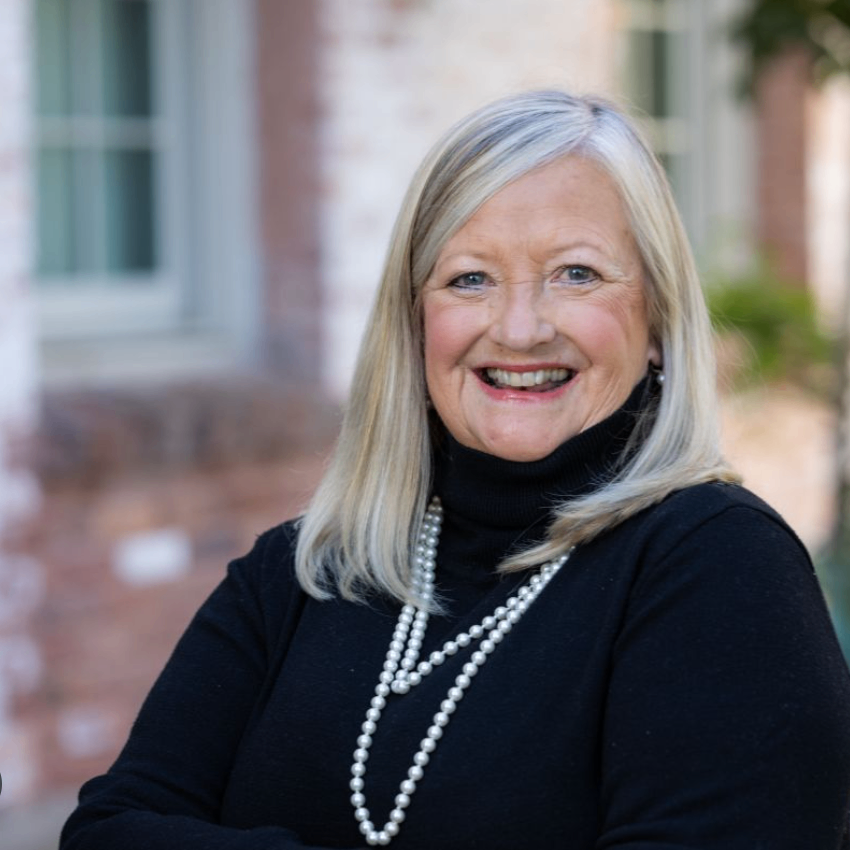
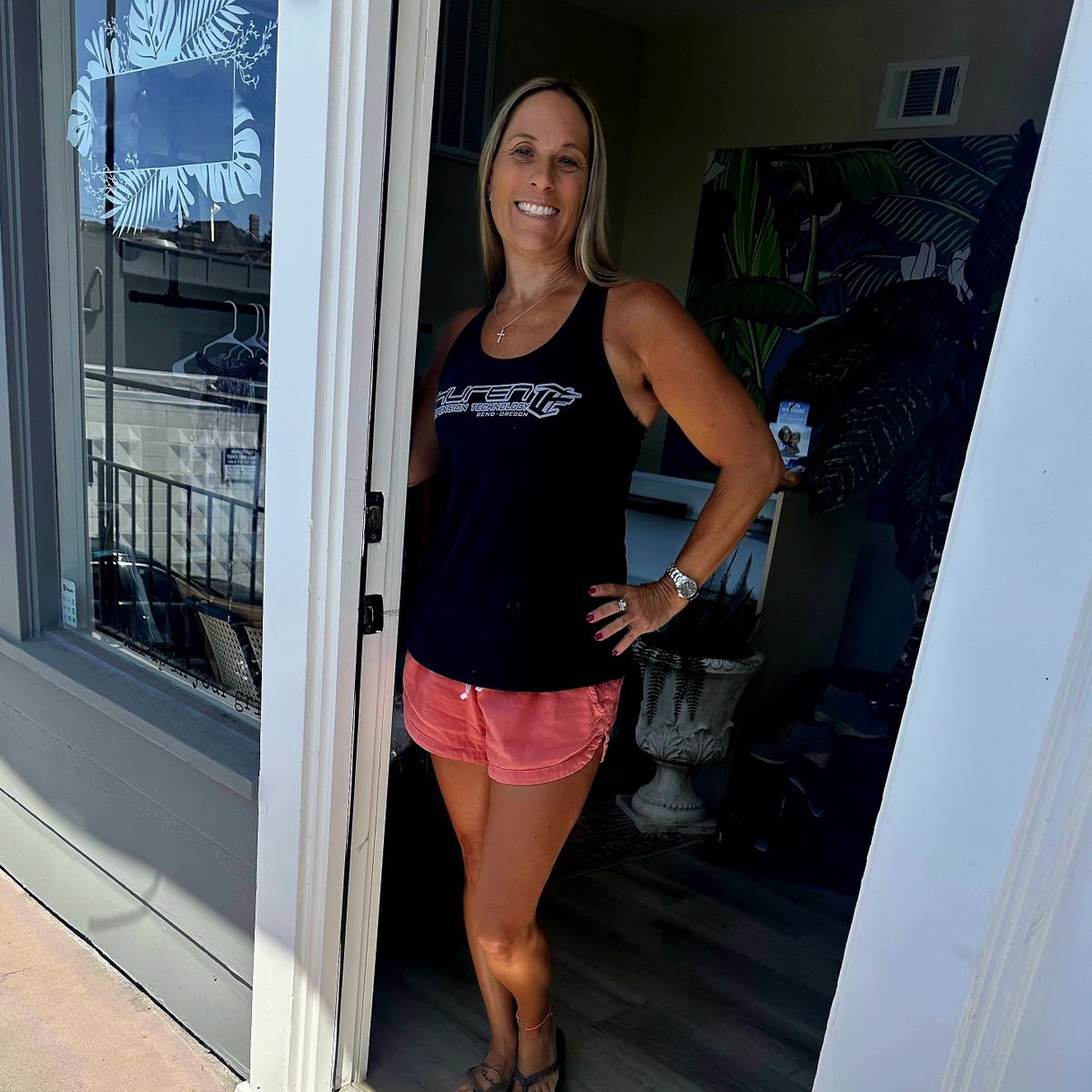
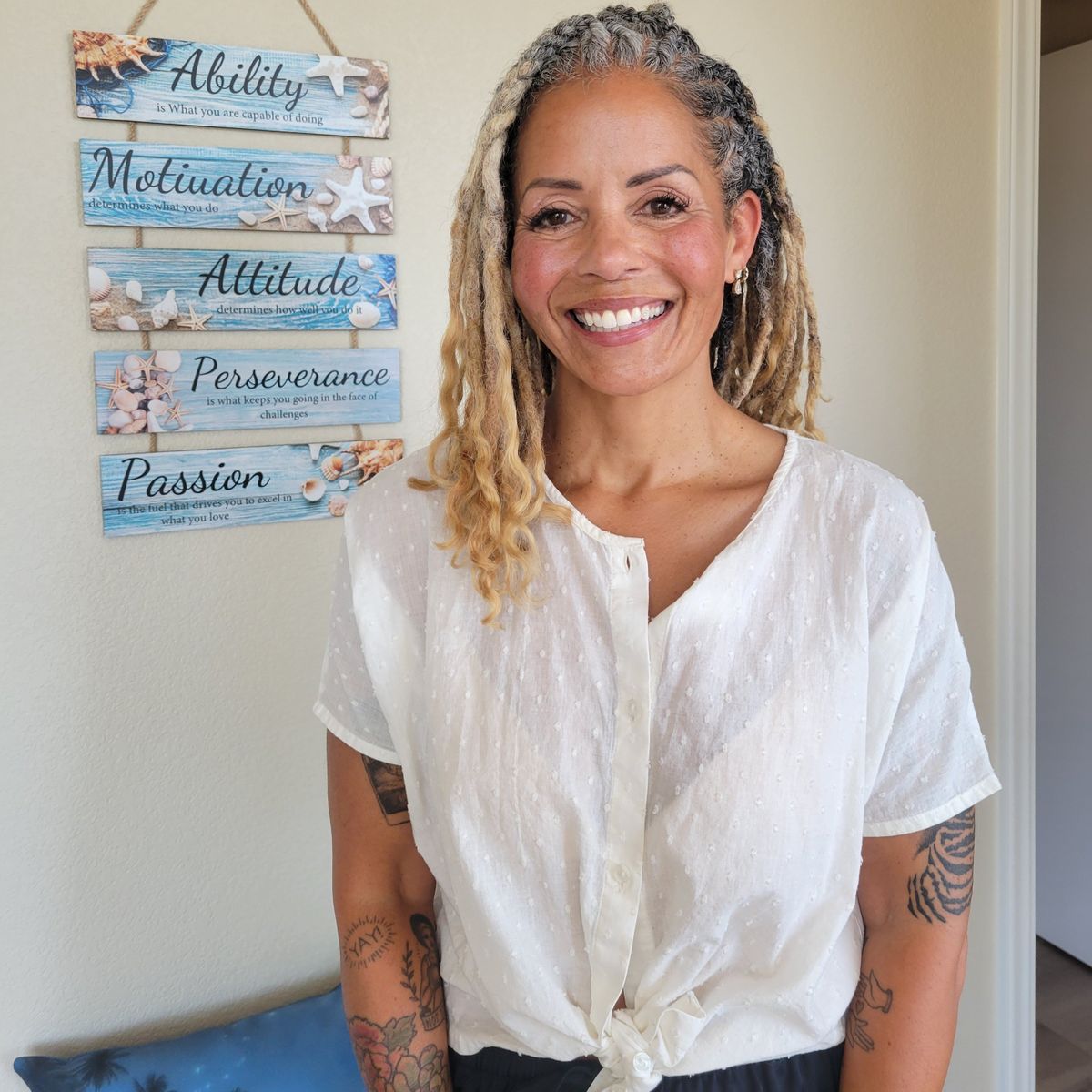
✨56 and Just Getting Sparklier ✨Meet Gina of Luminescence, Right Above Soul Rituals
link)Hello, Porchers! Another report in from your beauty, wellness, and all-things-self-care Summer Scout!
Anyone who knows me knows I love anything that sparkles, and if you think I should tone it down at 56, you'd be wrong. If anything, I'm just getting sparklier!
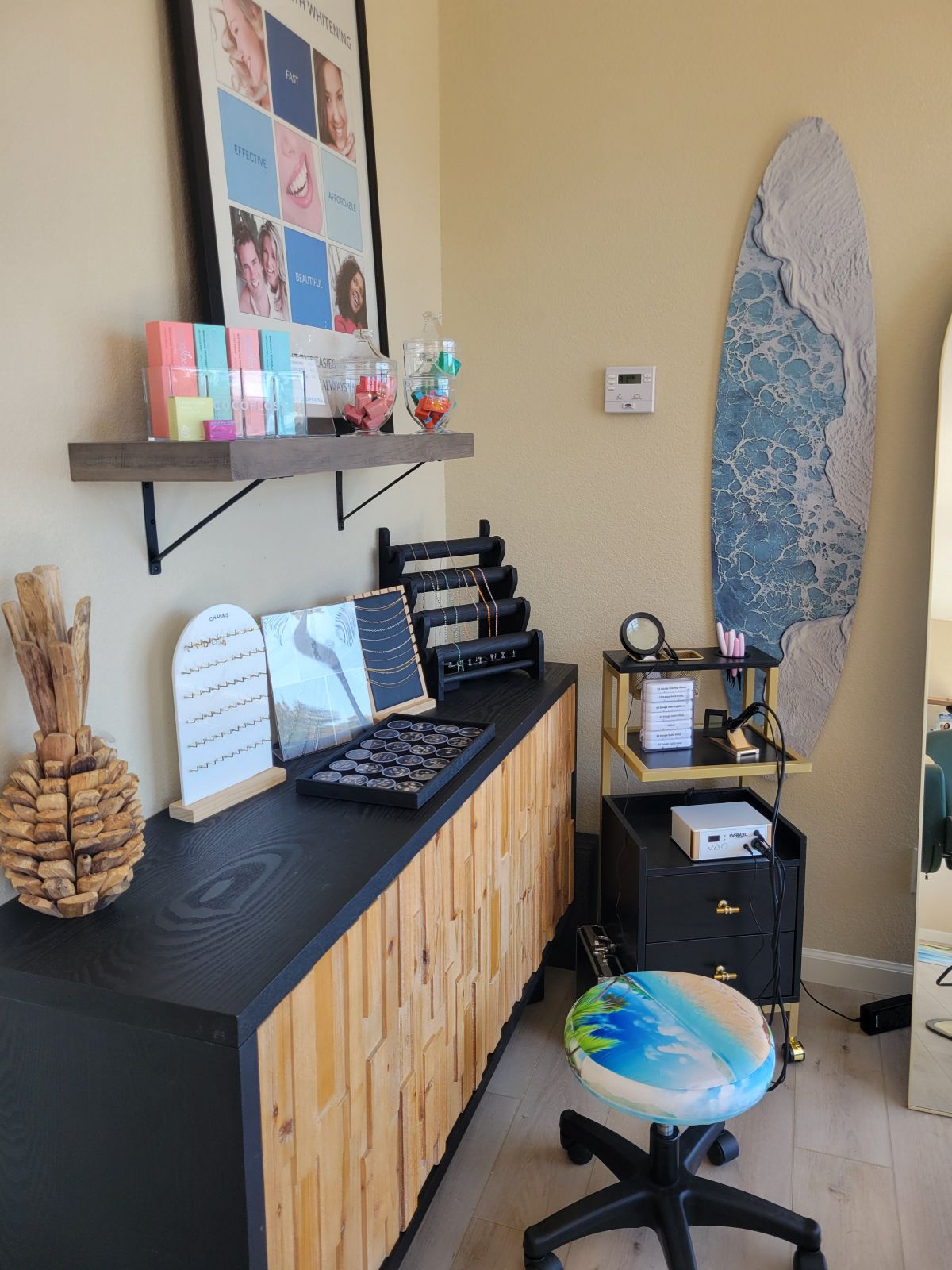
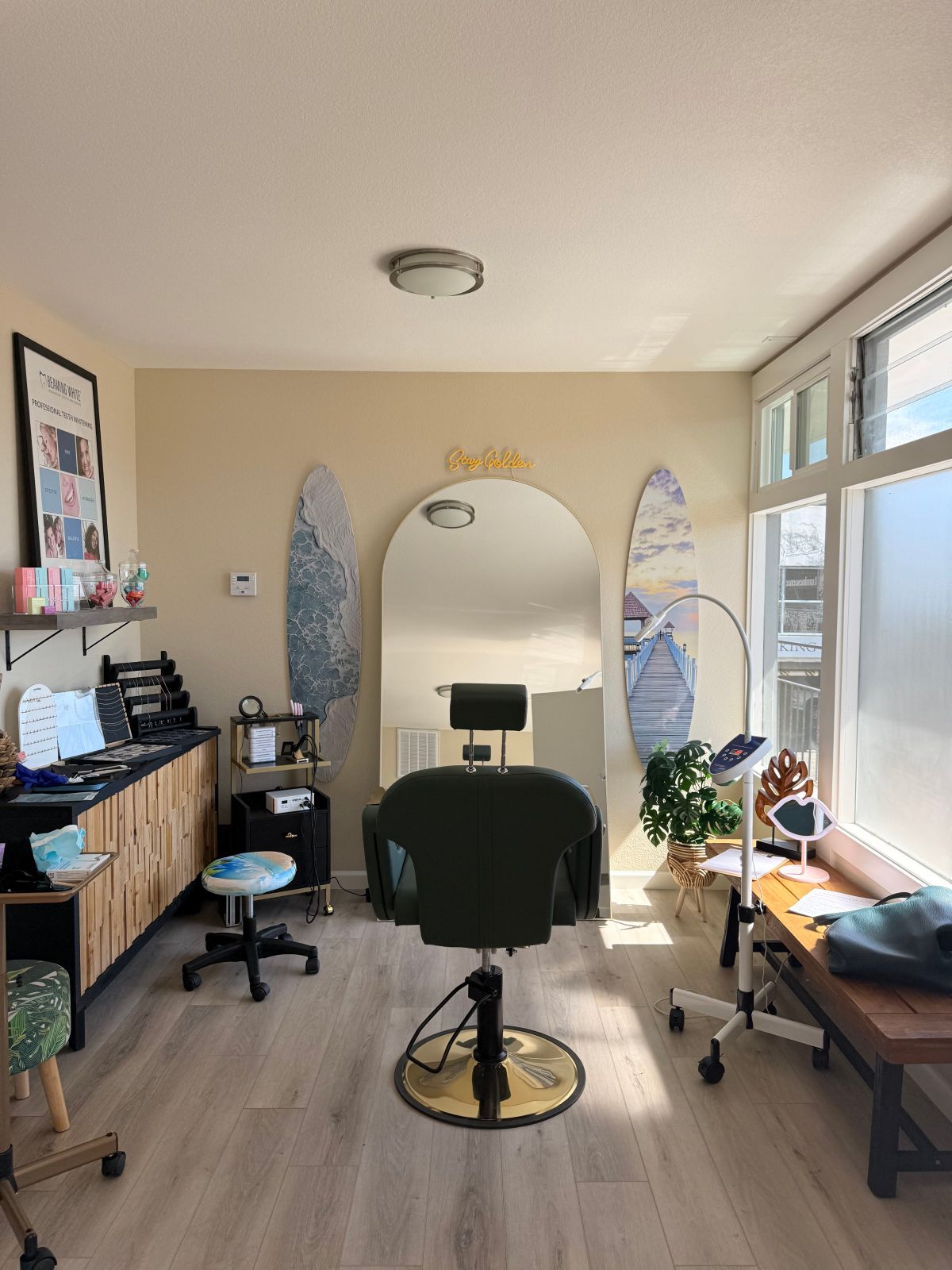
I want to introduce you to Luminescence, run by the warm and bubbly Gina Morris, located right above Soul Rituals in the same two-story building as Motherhood Nails on Keller. It's a beautiful, bright, sunshine-filled space with California vibes that you will want to hang around in all day! And why not get a massage or healing treatment, plus get your nails done right? Everything you need is right there!
Gina has spent 26 years in the dental field as a Registered Dental Assistant, raising three kids along the way, before deciding it was time to do something entirely her own. When the opportunity to open her own business landed in her lap, she couldn't refuse it, and Luminescence was born. Now she offers Teeth Whitening, Tooth Gems, Permanent Jewelry, and Red Light Therapy in her beautiful new red light sauna, and she's already booking Permanent Jewelry events for Girls' Nights Out, Halloween get-togethers, birthday parties, and other events for teens and adults alike.
From the moment I walked in, Gina made sure I was completely comfortable. I knew what I wanted before I stepped into her lovely studio: teeth whitening and maybe some teeth gems!
The teeth gems had been on my list since before the COVID lockdown, so this felt like a long time coming. The whitening, though, was its own small victory. Every time I'd asked my own dentist about it, I either got a "your teeth are already white enough" or a price that made me say "hell no, never mind." Gina charges a reasonable $300 for whitening, and the best part is you're in control: you decide when you've hit the shade you want, whether that means the full session or cutting it short. I was thrilled after just one fifteen-minute treatment, which left plenty of time to move on to the fun part: picking out my gems! Thank you to the wonderful Lizzie Wallack for mentioning this business to me at the September Porches Happy Hour; little did she know this was exactly what I needed!
LuminescenceSmile,
415-760-0723, luminescencesmile@gmail.com
129 Keller Street, Suite C, Petaluma Ca, 94954
Instagram...
Jabu Dayton• 2d ago
167
If I were Alice, this would be Wonderland…
A few weeks ago, I was strolling around town with my folks who enjoy coming to visit Petaluma by boat (Petaluma Yacht Club shout-out coming soon!). We had attended the Petaluma River Craft Beer Festival the day before and were enjoying a calm yet adventurous Sunday. As we wandered across the Balshaw Pedestrian Bridge (aka The Footbridge), we decided to walk the path behind Luma Bar that follows the river and see how far we could get while keeping the river in sight. We crossed East Washington Street into the beautiful courtyard of the Downtown River Apartments where we wrapped around and into the Old Caz Backyard lot and then into the Dairyman’s Feed & Supply Co. lot. We were met by a flock of geese that seemed to be having a private party. It was here that we realized it was time to backtrack if we wanted to find the riverside again. Our backpedaling led us to Copeland Street, a clean and unassuming area that was new to me. We passed the Hoocha Hard Kombucha Tasting Room and then came across a sign that read “Life On Art”. What does that mean? What is this? My curiosity was ignited. For someone who loves carving out time to intentionally get lost, knowing it always leads to discovering something new, this was quite a treat.
Is it okay if we walk in? There was only one way to find out. It was a very real moment of stepping into the unknown; it felt mysterious, exciting, and safe. We tried the handle, and it was unlocked!
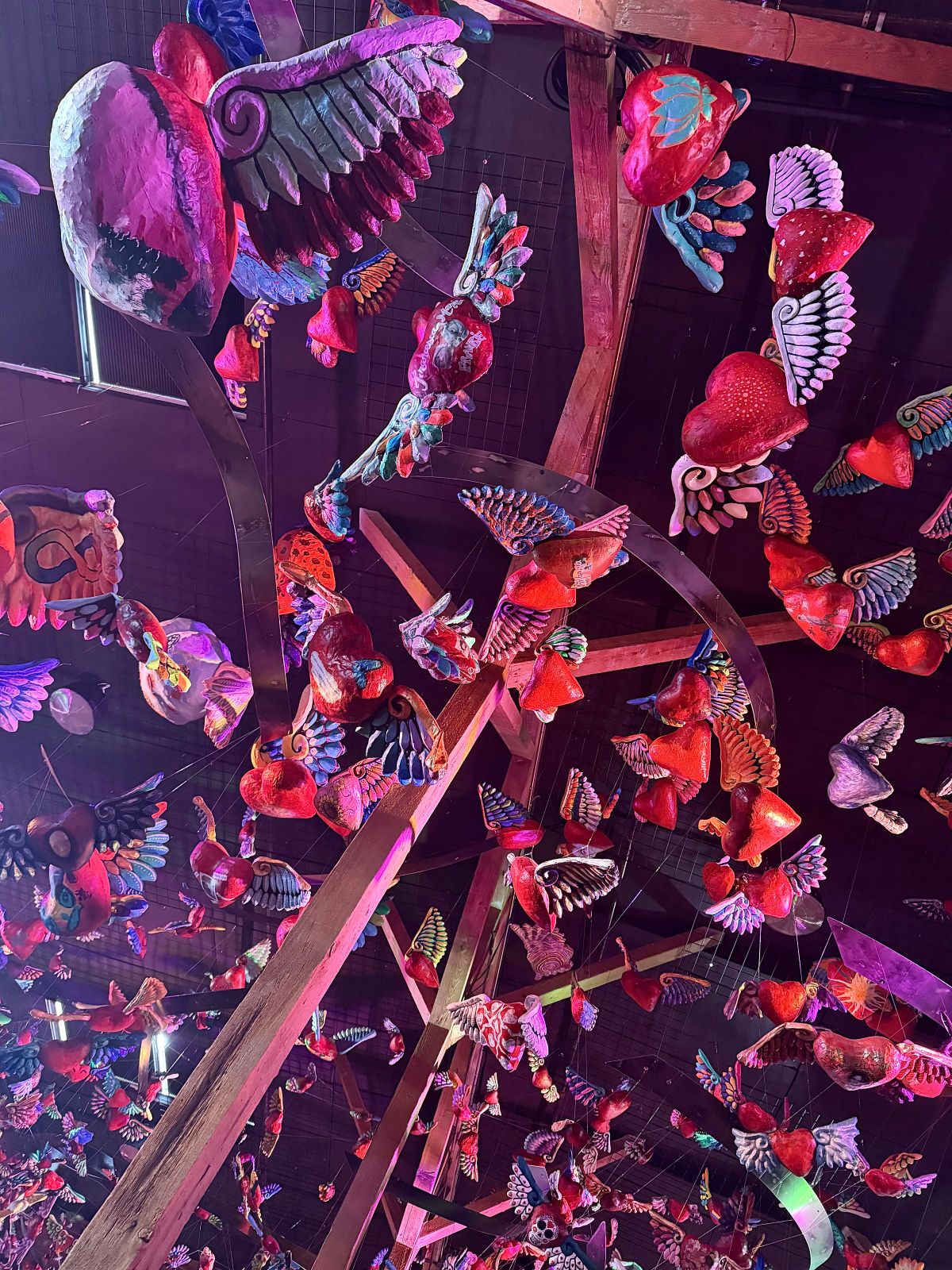
Like Alice finally making her way into Wonderland, we stepped through the door into a large room with color emerging from every corner, and open doorways that felt like invitations into other unique areas of the space. It was like walking into a fun house, one you might find at a fair, where everywhere you look there's something new to discover. On the ceiling were gorgeous winged heart installations in various sizes, painted with different colors, shapes and symbols. I remember immediately wondering who the artist might be. Two women stepped into view with their friendly smiles and welcoming gestures. We asked, “Is it okay that we came in?” and to our delight they responded, “Yes! Please come in, all are welcome.” These lovely ladies were Juliet and Jocelyn. They offered us beverages and a tour. They shared that the heart installations were not the work of one artist, but of a diverse collection of people from the community and beyond. I felt myself filling with emotion as Jocelyn explained the ongoing project, the goal, and the many threads of connection it was creating. She continued to share the history and many facets of the Life On Art mission and space. I was overwhelmed with inspiration and gratitude for their commitment to what I think of as being a student of life, and for providing opportunities to find yourself, to find others, to explore life, art, and humanity.
Life On Art - A place to gather for art workshops on Thursdays and yoga on Mondays, a place where artists can rent space to fulfill their passions, a place where movement, productivity, and a gallery of art pieces work together to offer comfort and inspiration, a place for everyone at any age and any phase. What a Wonderland!
This week I attended my first yoga class in the space and it was a lovely experience for several reasons:
Community Vibes: The group was eclectic and truly communal; everyone made sure each person had a spot and enough space to move freely.
The View: Looking up from my mat I gazed at the flying hearts. Knowing their story made the view even more meaningful.
Connection: At the end of the session a person next to me turned and said, “It was really nice breathing with you today.” I genuinely felt the same. And like a domino effect, I turned to my other neighbor and exchanging smiles, we shared a similar moment of connection and gratitude.
The Instructor: So kind, patient, and focused on exploring intention and appreciation for the world that we are lucky enough to be a part of.
I will end this story here. I hope I’ve shared enough to pique your curiosity. This post is a public THANK YOU to those who run Life On Art and made a gal feel welcome the minute she walked in.
You can learn more and donate on their website (https://lifeonart.org/) and/or when you visit them on Copeland Street. And if you ever catch me wandering around, I hope you’ll say hello!...
Alix F• 3d ago
165
Lucky Strike Bowling Leagues!
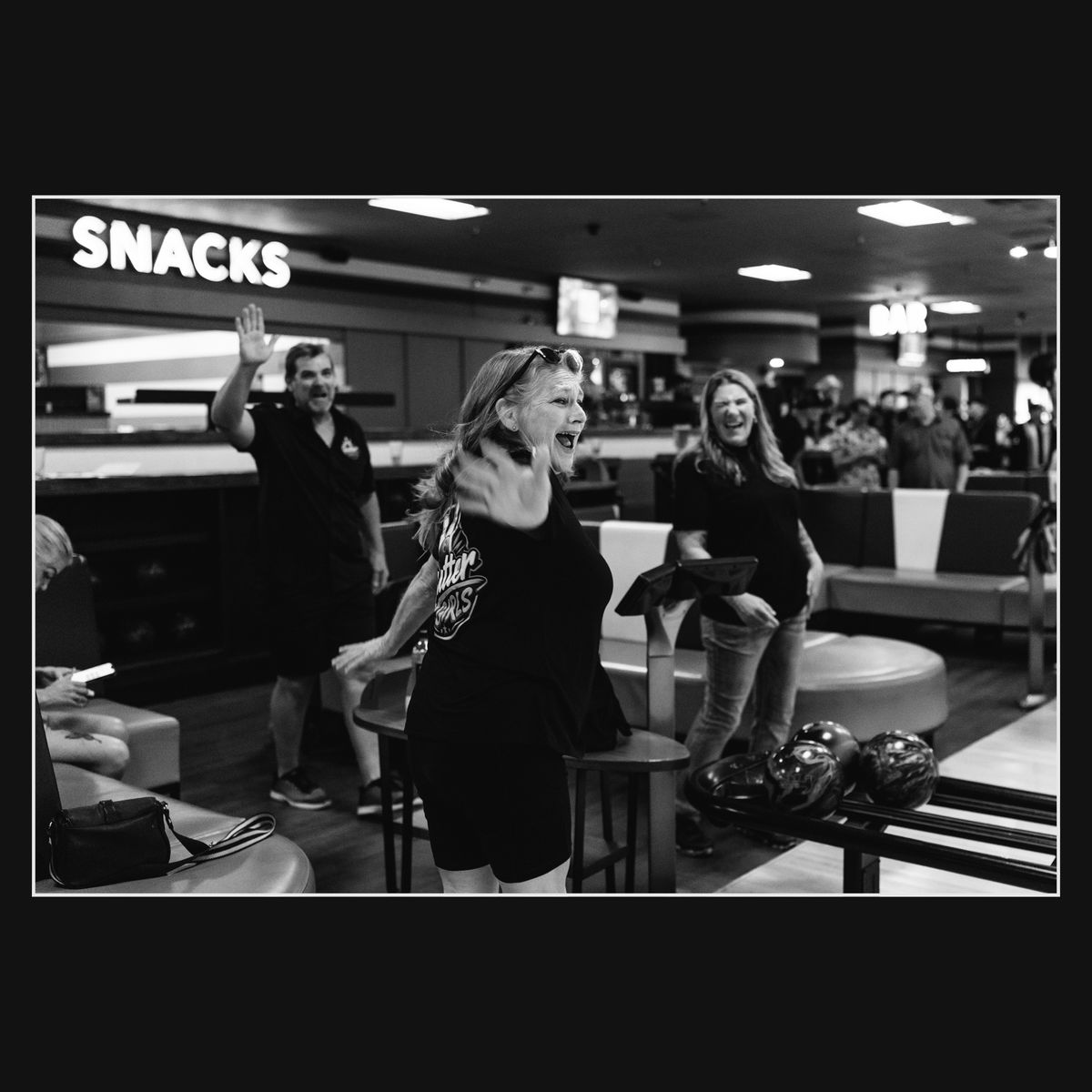
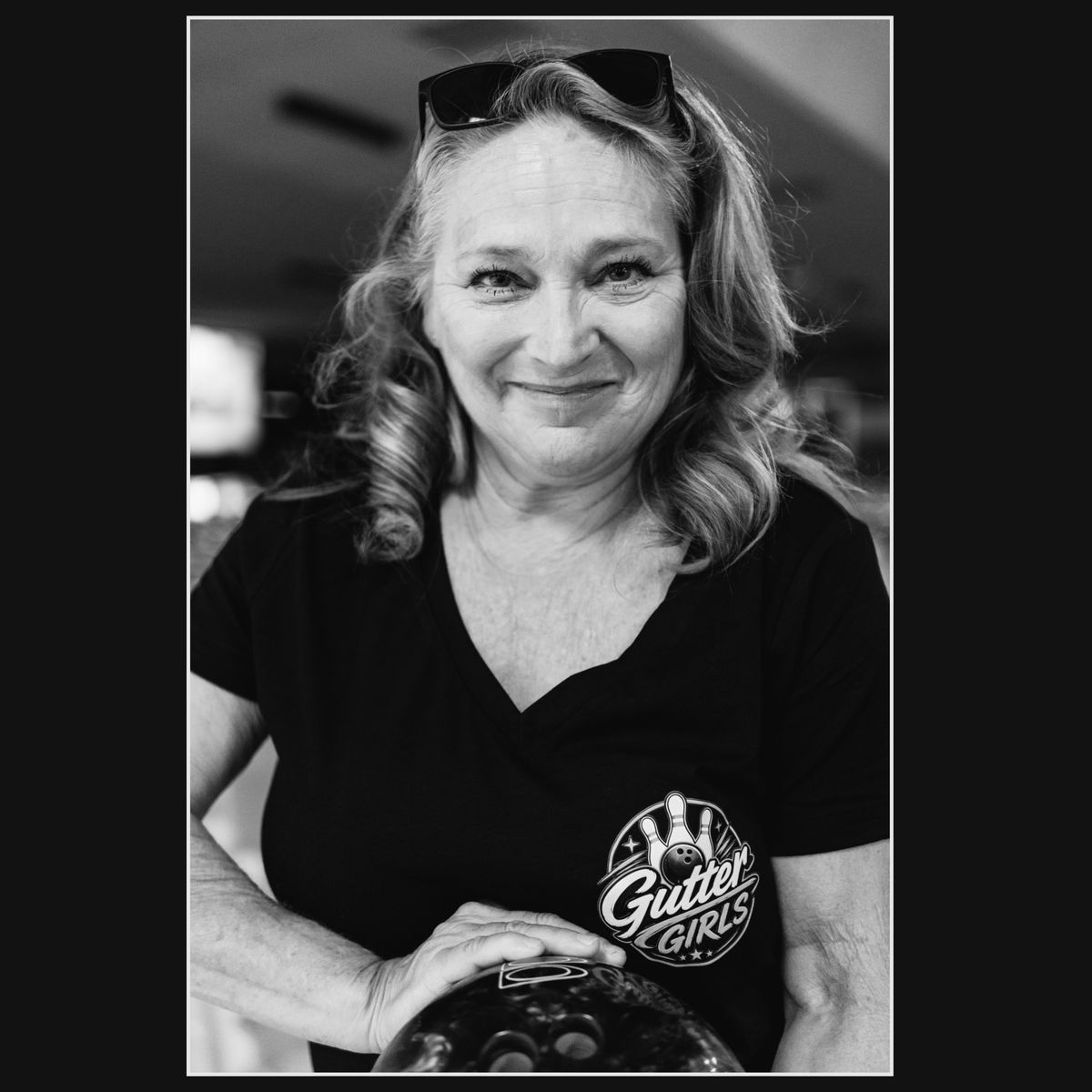
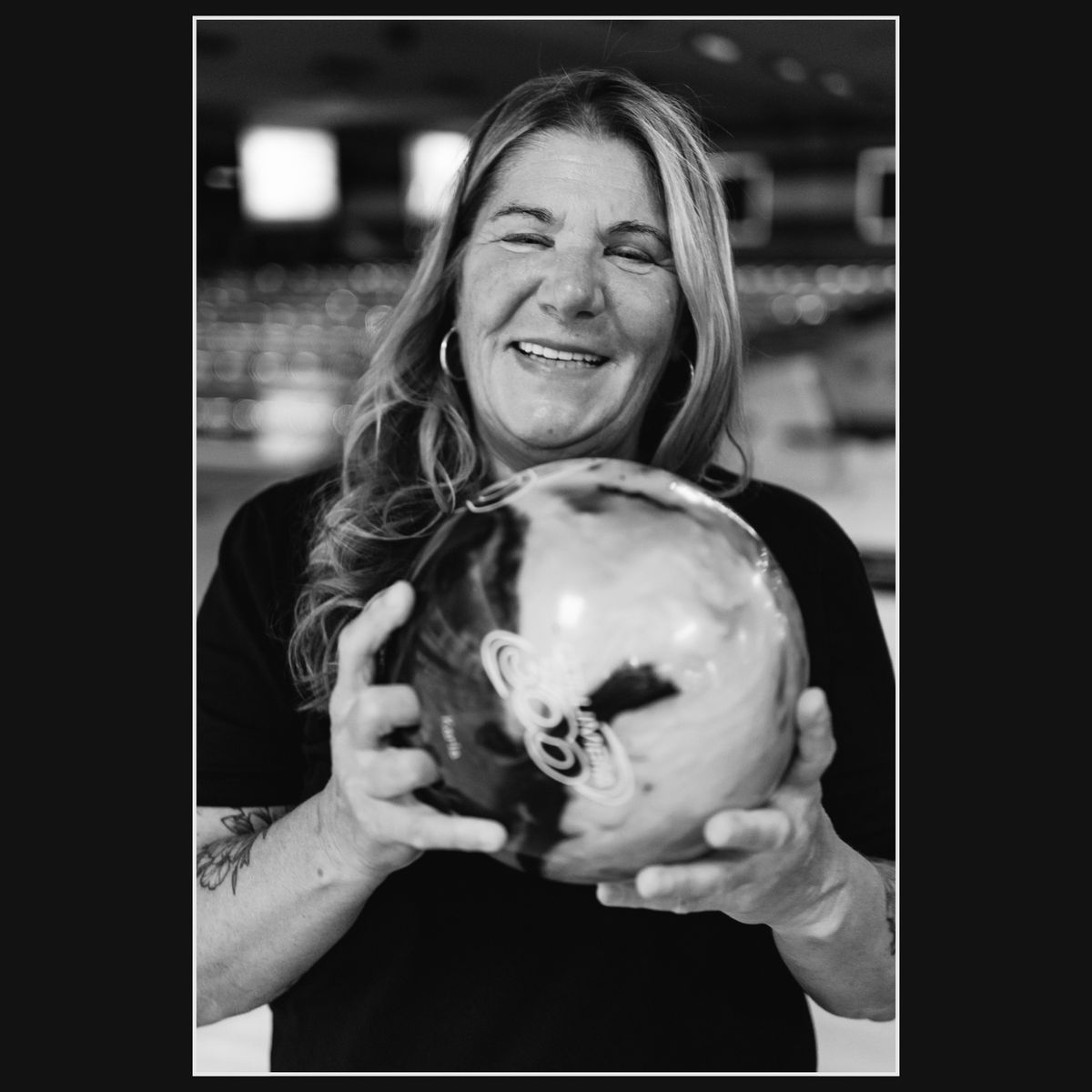
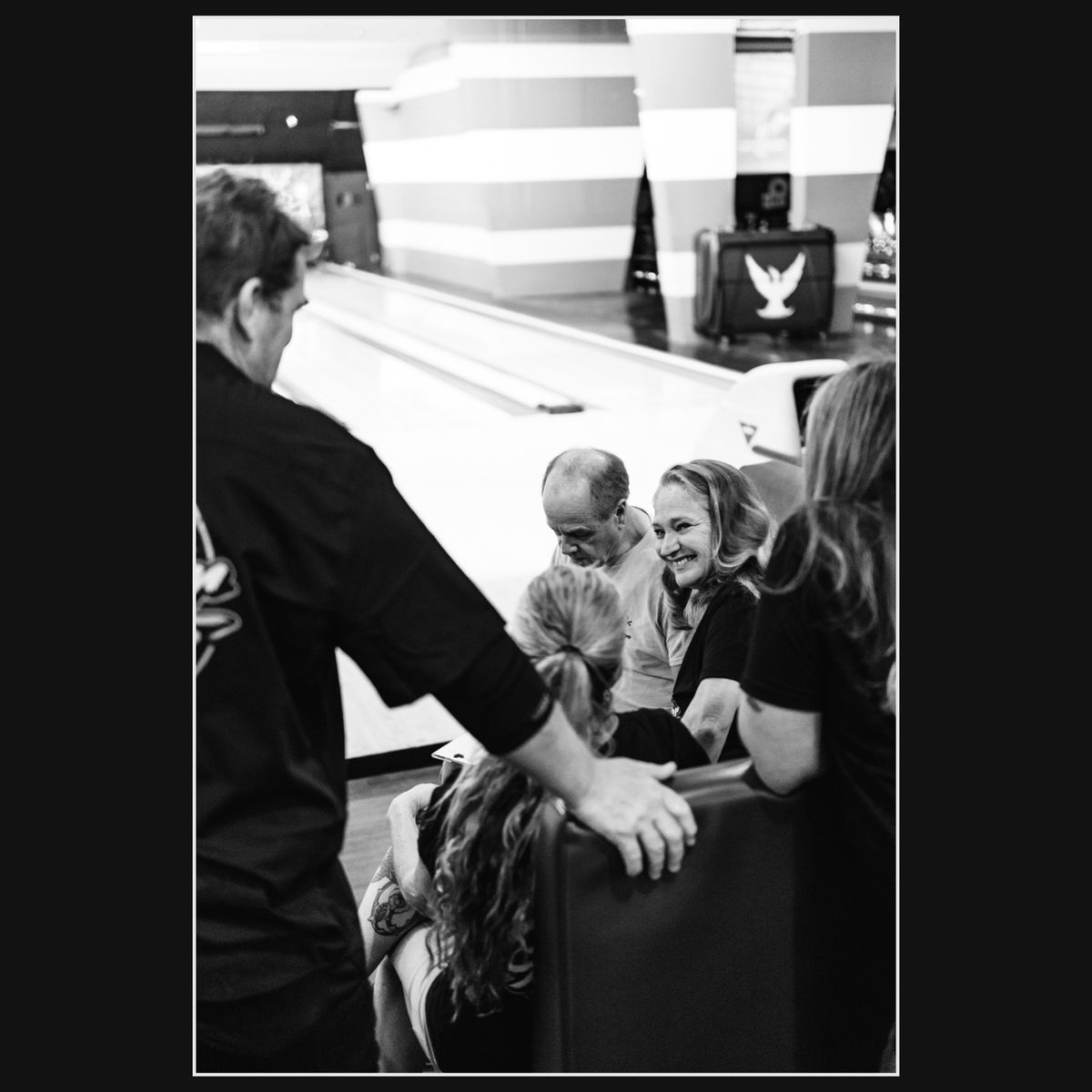
Ever since I was a kid something my family would always do is go to the bowling alley. I remember having at least 10 birthday parties at Lucky Strike Petaluma (which used to be called AMF Petaluma Lanes) when I was young, that was just the place to be. Pretty common kid birthday party spot, but I’ve always had fun there and especially since my family was always down to get together and go, it remains a nostalgic and peaceful place in my mind and memory. What gave me the idea to shoot a couple bowling leagues for Porches was that my mom, aunt and uncle were all apart of one that they started this season. They’re called the Gutter Girls! I’ve been interested in how they’re settling in to having their own league and I wanted to do some investigative journalism which perfectly aligned with the clubs and gatherings motif this summer. It was a ball hangin out with the fam, meeting another league and watching some aforementioned gutter balls!
Pictured is my mom Karla King and Aunt Tweety....
Nik Cotten• 3d ago
163
Welcome to the Mirrorworld
Introducing a new map
Today we’re launching a brand-new, three-dimensional map inside Porches. I’ll miss the old patchwork-quilt vibe, but the new map looks a lot more like Petaluma. And it’s much, much more alive.
Laid over the town, you’ll see the real stories and conversations we’re all creating here together, and the real events happening right now. The map changes over the days, weeks, and seasons: the sun rises and sets, the traffic on the highway comes and goes, and the tides ebb and flow. As you fly around, you can listen to our local radio station, drop in on a live concert at a local venue, and hear the birds recently spotted around town. You can catch SMART trains rolling through and real planes flying overhead (yes, you can literally catch them), and there are more easter eggs to discover for yourself. Turn your sound on and give it a spin.
Why did we build this?
An honest first answer: because it’s fun.
Flying around a living reconstruction of your own town is a delight, and we think the social internet should feel delightful, instead of… whatever cocktail of emotions we usually end up with after scrolling through a typical feed.
Early in my career, a mentor introduced me to the architect Christopher Alexander and his wonderful 1979 book, The Timeless Way of Building. In it, he describes what he calls “the quality without a name,” and the idea has stuck with me ever since. It's the feeling of life and wholeness that makes a person, a building, a town, or a wild place feel completely alive and at peace with itself.
Anyone recognizes this feeling instantly in a place that has it. Since moving to Petaluma, I feel lucky to have felt it a lot. Sitting by the window at Della, watching our kids play by the river behind Grand Central, paddling under the Washington Street Bridge. And you know when it’s missing, too, as it is from so many of the physical and digital spaces we spend time in these days. I hope the new map helps us feel the quality without a name while we’re using Porches, and, given its nature, that it might also help us feel more alive and connected to our real surroundings.
A special window in time
There's another reason we built this.
I've come to believe that big technological breakthroughs open special windows in time – moments when it becomes clear that a new kind of thing is about to exist, but its exact shape is still undecided. The broad strokes are inevitable; the specifics are not. And the specifics, set early by particular individuals with competing visions for the future, determine how the new technology actually affects our lives, for better or worse.
The social internet we have today took its shape in one of those windows, a couple of decades ago, and we've been living in its image ever since. I think a new window is opening now.
Mirrorworlds
Back in 2019, Kevin Kelly wrote about the idea of a “mirrorworld” in an article in WIRED:
"Someday soon, every place and thing in the real world—every street, lamppost, building, and room—will have its full-size digital twin in the mirrorworld. … Piece by piece, these virtual fragments are being stitched together to form a shared, persistent place that will parallel the real world."
Advances in AI are now making it possible to build this kind of digital twin for a whole city. Plenty of groups will build them, for plenty of purposes: planning, logistics, real estate, advertising, design, and new things we can’t easily predict.
The version you see in Porches today is an early attempt at bending the technology toward one specific goal: helping us understand and enjoy the place where we live. What happens when a mirrorworld is also a real gathering place for storytelling, insights, and connections that lead to real world experiences? Could it make us more aware of our surroundings, more present in place, and more woven together as a collective?
It’s yours to shape.
The people who shape a social network aren't just the handful of people building the platform. The early pioneers matter just as much, and if you're reading this, that means you. You’re establishing the culture and vibe of the space, the tone of discussion, and you’ll have an outsized say in what Porches becomes.
Making the primary interface of Porches a world you can explore leans further into that idea: designing a social network from the bottom up rather than the top down.
I think this will feel like one of the rare places online where you actually have agency over your experience. You take the reins, instead of being funneled into the same infinite stream as everyone else. Go for a stroll instead of a scroll. And I hope what you find on the map makes a difference in your life outside the app, too. The ultimate goal of the map follows the goal of Porches: to help get you out into the place you call home, with the other people who call it home too.
The new map is live now for everyone on the desktop web, and in the map tab on the iPhone app. Like everything else on Porches (and this especially), it’s very much still in beta. We have a long road ahead in shaping what Porches can become here in Petaluma, alongside all of you, and we're excited to get started. Check it out, and let us know what you think....
Sachin Monga• 4d ago
5627
674 Sunnyslope Road
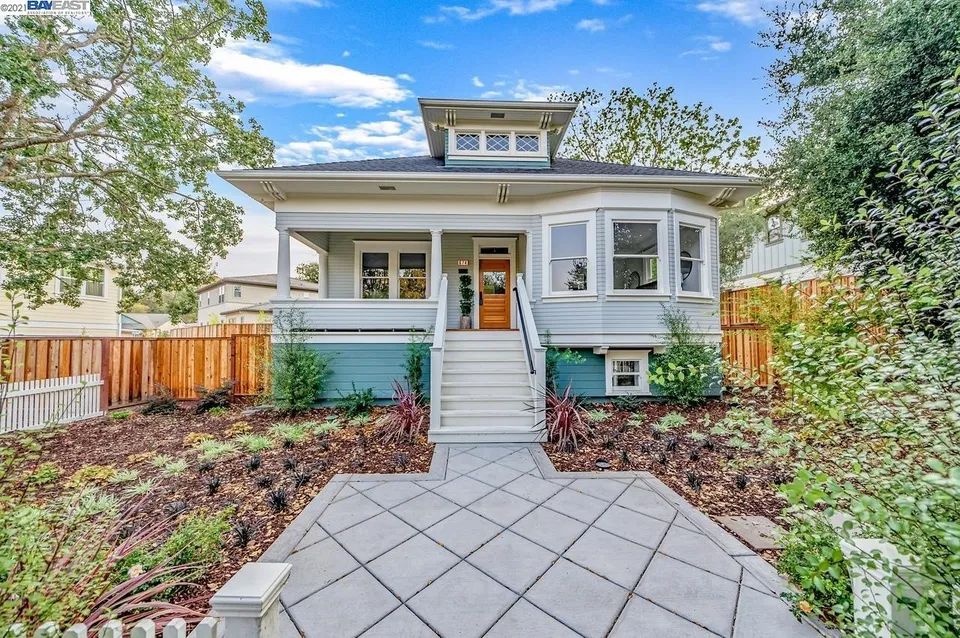
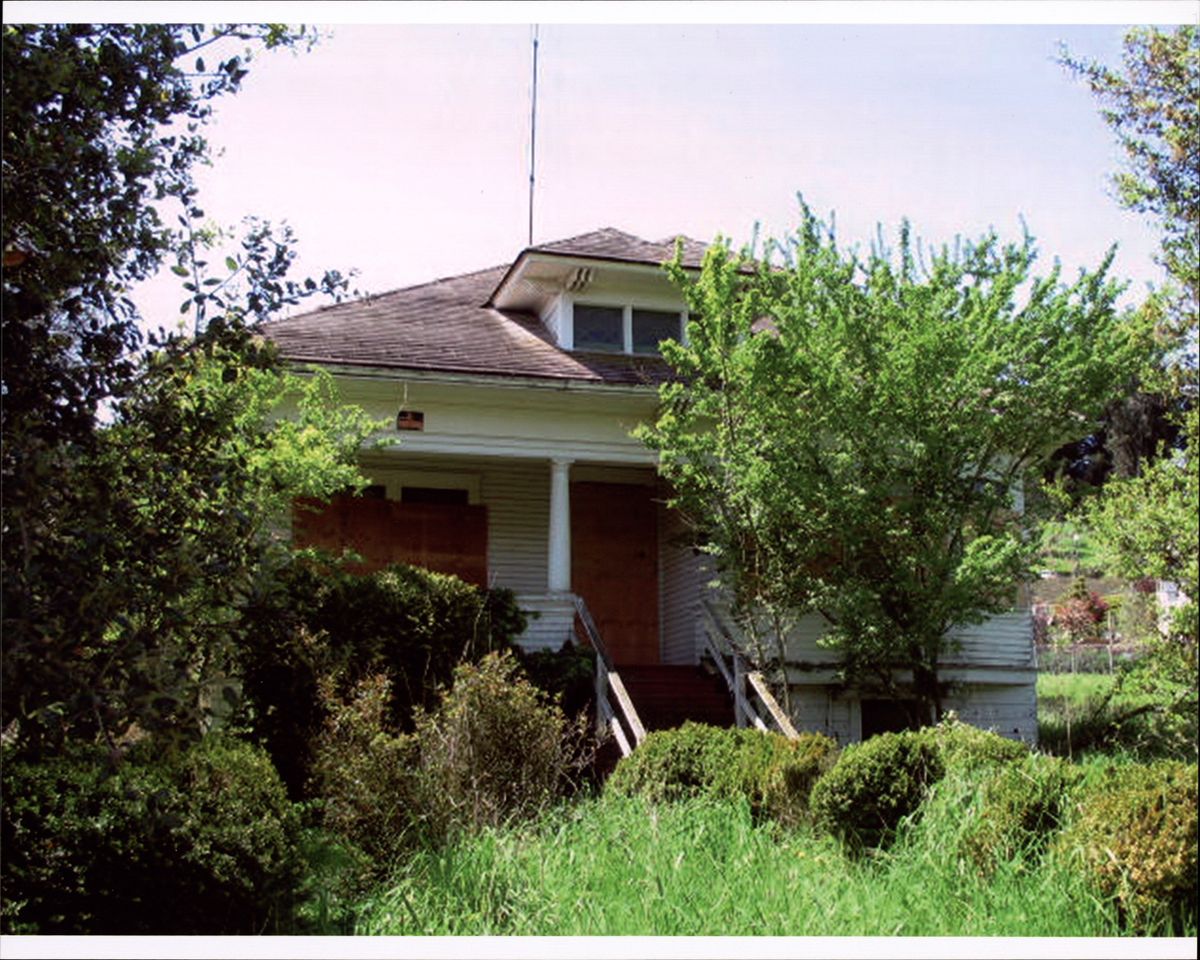
Before there were houses all along Sunnyslope Road, there was a small farmhouse on the west side of Petaluma. It had a double-hipped dormer with little diamond-paned windows, bay windows, rounded porch columns and decorative brackets beneath the eaves. Around it were olive, orange and apple trees, along with a barn, a shed, grassland and a stand of coastal oak.
The house dates to about 1893. According to an account written during its restoration, it was built by Albert L. Neunfeldt, a German immigrant. His family would remain connected to the property for more than a century.
It was never a particularly grand house at first. It was a farmhouse, built for everyday life, but there are some wonderful details that have survived. Inside were wainscoting and built-in cabinetry, including a cabinet set into the wall between the family room and kitchen that could be opened from either side.
For years, the house sat surrounded by open land while Petaluma slowly grew around it. When the City studied the property many years later, they found that the lot containing the house had kept the same boundaries since 1898.
By the early 1920s, A. L. Neunfeldt was listed as owning nine acres near what was then called Hilmer Ranch. The Neunfeldts raised poultry, which seems fitting for a Petaluma family at the time. This was, after all, the town that proudly called itself the “Egg Basket of the World.”
Then came Fred Neunfeldt and Stella Barloggi.
Stella was a Petaluma girl with Swiss roots. After her father moved to Napa, she was raised by her aunt, Sabina Tomasini. Sabina had come to America from Switzerland as a girl and later ran a large ranch in Nicasio with her husband, Mateo. After his death, she moved into Petaluma and lived on Fifth Street, where Stella made her home.
Stella worked as a bookkeeper at the A. F. Tomasini Hardware Company for twelve years. Fred worked there for a time, too, and according to the Petaluma Courier, that is where the two met.
Their engagement was celebrated in April 1923 at the Tomasini home. There were spring flowers, pink roses and little envelopes with betrothal cards tucked inside. The newspaper described Fred as the only son of Mr. and Mrs. A. Neunfeldt of Sunny Slope, a Petaluma High graduate, a baseball player and the young man running the Neunfeldt ranch.
They married quietly on May 12, 1923, at a friend's home in Mill Valley. Stella wore gray silk and carried roses. After a few days in San Francisco, the newlyweds returned to Petaluma and the Neunfeldt ranch.
Stella would spend the rest of her very long life in this part of Petaluma.
Fred eventually left the farm for the automobile business. By 1934, he was selling Nash cars from 16 Third Street. A few years later, he had moved the business to 343 Main Street and was also running a garage.
The newspaper stories from these years give little glimpses into the family's life. Stella helped serve refreshments at Pythian Sisters meetings. She attended birthday parties with her daughter, Betty. Betty Lorene Neunfeldt graduated from high school in 1943, and in 1945 Stella was appointed an election judge at a rural precinct.
Fred's work with cars also made its way into the news, though not always for good reasons.
On October 13, 1939, Fred was driving toward Washington Street when another driver ran a stop signal at East D and Wilson and hit his new Nash. The car flipped onto its side. Fred was badly shaken and suffered a back injury, but he survived. The newspaper reported that he went home to Sunny Slope.
A few years later, Fred's health forced him to step away from the garage. In 1947, the paper announced that James I. Scott, a Willys-Jeep agent, had taken over the business. Fred, then about 49, was resting on his doctor's advice.
Two years later, on November 19, 1949, Fred died in his sleep at home. He was only 51.
His funeral was held at Parent Funeral Chapel, where the newspaper reported that the chapel was filled with friends. He was buried at Cypress Hill.
Stella was 54 years old.
She would remain there for another 53 years.
There isn't much in the newspapers about those decades. Stella's life largely disappears from the record, which somehow makes the few stories that do survive feel even more special.
In 2002, a letter to longtime Petaluma columnist Bill Soberanes brought some of those memories back.
The letter came from someone who had known Stella since childhood. The writer first met Stella in 1976, when they were six years old and Stella was 81. They remembered her as funny, strong and independent. As a child, the writer would walk up to the property with Stella and her dog, Pepper, to “check the well,” although they never really knew what they were checking for.
They remembered Stella's cookies, which she kept in coffee cans, and the hard candy she always had around. They remembered someone who didn't seem particularly interested in attention or recognition.
When Stella eventually fell and was moved to a convalescent hospital, the writer and a sister continued to visit her. Stella apparently wasn't happy about being there, but she made the most of it. She lived another ten years.
When she died, the two women weren't notified because they weren't family. They went to her grave anyway. After more than fifty years apart, Stella was finally beside Fred again.
Stella died on August 24, 2002, at 107 years old.
Her death marked the end of the Neunfeldt family's long connection to the property. Not long afterward, the old ranch began to change.
The open land around the farmhouse was disappearing. New subdivisions had grown up nearby, and the 8.64-acre Neunfeldt property had become one of the last large undeveloped pieces of land in the area.
In 2007 and 2008, historians took a closer look at the old house. They determined that it did not qualify for the California Register of Historical Resources, but they did find that it had local historical significance and was eligible for a local historic listing.
Then came Sunnyslope II.
The original proposal called for 19 new homes on the property. Neighbors raised concerns about density, trees and the character of the neighborhood. After community meetings and revisions, the plan was reduced to 18 homes. Some trees were saved, and development was moved away from some of the steeper parts of the property.
The old farmhouse, however, was going to stay.
The City placed some pretty specific requirements on its preservation. Before construction on the new homes could move forward, the old house had to be secured, made weatherproof and repaired. Its original wood windows were to be repaired or replaced in kind. The wood siding was to remain, and the front stairs were to be rebuilt to match.
The City also specifically protected the features that made the house recognizable: the diamond-paned dormer, bay windows, decorative brackets and rounded porch columns.
It took years for the development to come together. Eventually, Lafferty Communities took over the project, and in 2017 the City approved the final map for The Oaks at Sunnyslope. The farmhouse became Lot 18.
Saving it meant more than simply leaving it standing. The deteriorated foundation was replaced, the lower level was excavated to create additional living space, and parts of the house were restored. New dormers were added, the rear of the house was brought closer to the appearance of the historic portions, and a new garage was built behind it.
The porch columns are still there. So is the diamond-paned dormer. Inside, historic woodwork, wainscoting, paneling and other details connect the renovated house to the one that stood here more than a century ago.
Today, 674 Sunnyslope Road is surrounded by houses that weren't there when Albert Neunfeldt built his farmhouse in the 1890s.
It was home to the Neunfeldt family for generations. It was where Fred and Stella began their married life. It was where Stella spent more than half a century after Fred died. And it somehow managed to survive long enough to become part of a completely different neighborhood.
There are a lot of stories tucked into old Petaluma houses. At 674 Sunnyslope, one of them is still sitting right there on the front porch.
Photos Courtesy of the Sonoma County Library Digital Archive and Realtor.com
Thank you to the Petaluma Museum for the resources available to dive deep into the history of our Petaluma Homes.
Melanie Sherk...
Lucy Decker• 1d ago
134
FIND THE OTHERS: LUKE LAMSON
If you asked a young boy, maybe 7 to 10 years old, what they wanted their adult life to look like...
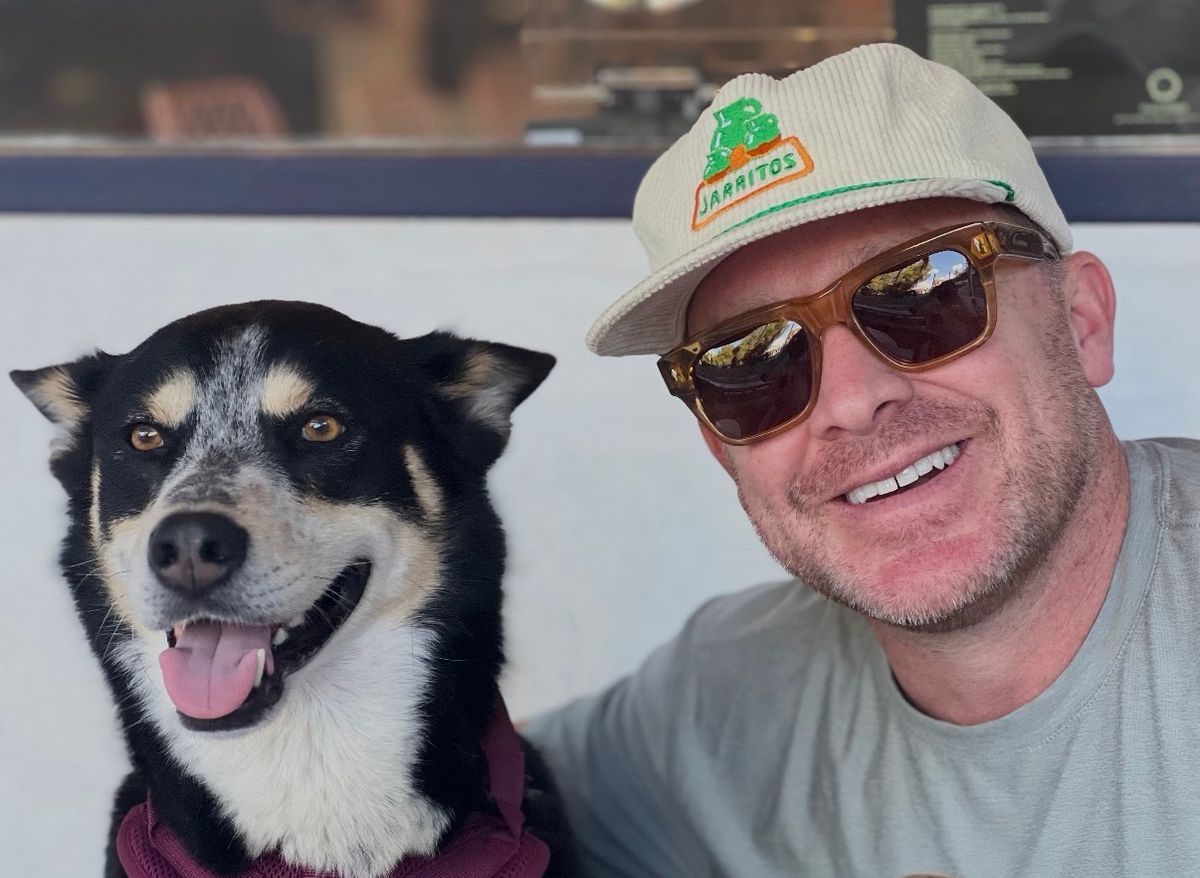
It would look a lot like my best friend's life. Luke Lamson has...
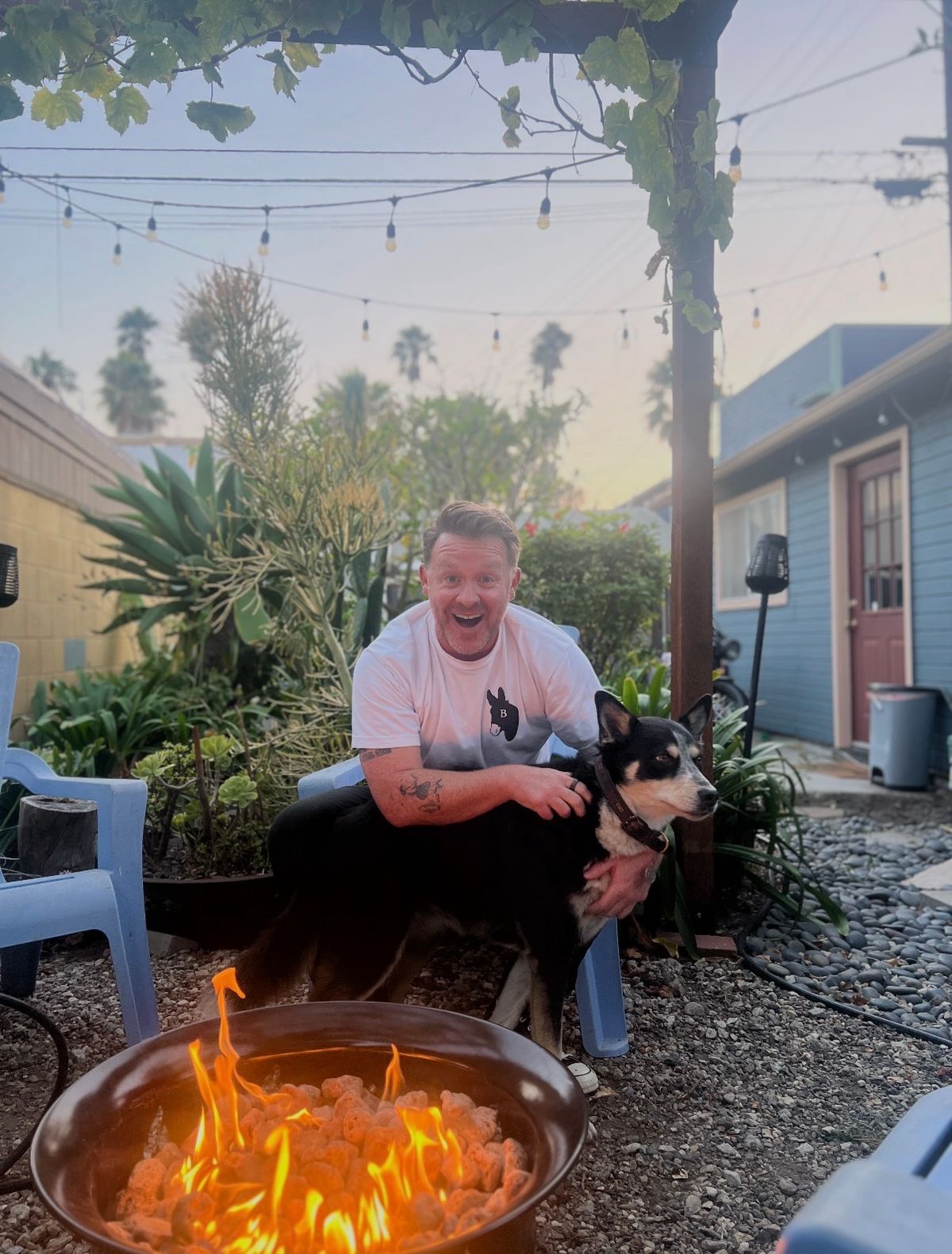
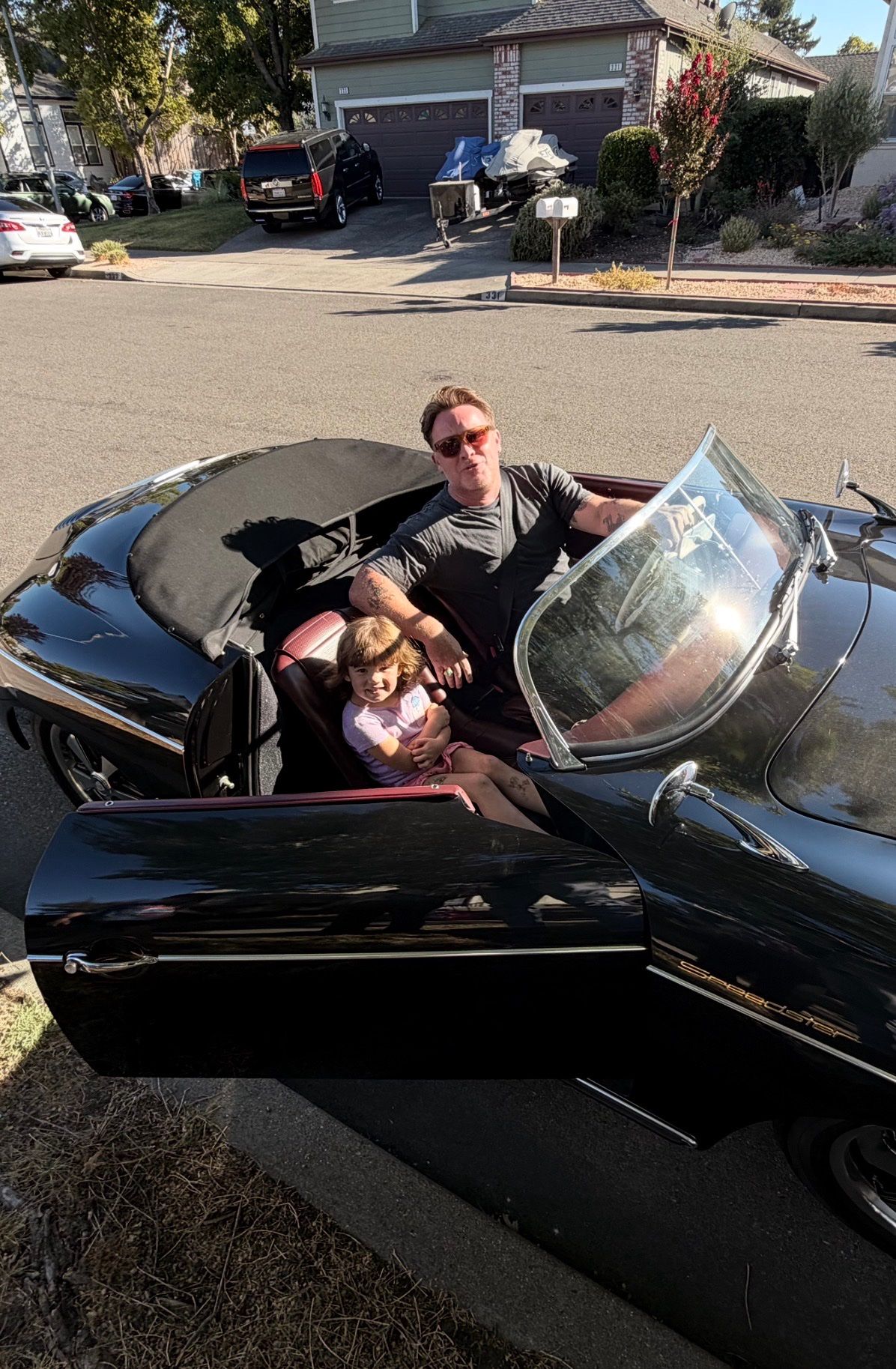
A vintage Porsche convertible, a Triumph motorcycle, a big truck, a giant pool, a light-up hot tub, a speed boat, a beautiful dog and a bachelor pad decorated with all sorts of weapons, antiques and cowboy paintings.
And because he worked at Mattel for years, he's had an endless supply of Barbie toys.
My daughter views him like some kind of demi-god or supernatural being; in the same realm as Santa Claus, Totoro or Maui from Moana.
In reality, he's a hybrid between Tom Hanks from Big, Don Draper and Mango from SNL.
The last time we were pulling into his driveway Runa got serious and popped up in her car seat, "Is it just Uncle Lukey in this house? There's no woman here with him? No princess?"
Almost like she couldn't understand how this magical being did not have a partner yet.
That's what this Find The Others article is about. Our own Porches version of The Bachelor (and if we get a few responses maybe we could do a live blind dating show in town).
Luke possesses one of the greatest laughs you will ever hear. It has at least fifteen gears, from polished boardroom chuckle to a full-body eruption that carries a Covid-level contagion factor. Years ago, some other ad execs asked to record it for commercial use.
Luke is basically my older brother. We grew up together in Marin, survived several Catholic schools together, spent decades making bad decisions and we have matching butt tattoos that have become the bane of Lela Tuhtan 's existence. For his 40th, we planned The Butt Tat Bash and brought a tattoo artist to Hicksville. We hosted a LRC competition with our friends to see who's SFW design went on our backsides. The winning design: a dapper hot dog riding a big sad bear (basically us).
Uncle Lukey just moved back to Petaluma after years in a Venice Beach. Partly to help his parents as they get older. Partly to reconnect with his life-long friends. And partly because, Luke has finally become interested in something dangerously adult.
Settling down.
Luke is a fiery, redheaded Aries and, by his own description, “an Irish tornado.” He inherited his toughness and willingness to fight from his father, then received just enough love, intuition and kitchen dance parties from his mother to keep him out of prison.
His also claims his mother is a Catholic witch who can read people instantaneously.
Luke has spent twenty years in advertising, learning how to read people, identify emotional touchstones and convince people to care about ideas. He knows how to launch a product, command a boardroom and tell you, with humor, why your strategy is completely wrong.
But this is a different kind of marketing campaign.
Over the years, my wife and I have failed miserably trying to set him up on dates, so this is my Hail Mary effort before we leave it up to fate.
But I believe there's someone out there who needs a hilarious adventure partner, a guy who also collects crystals, loves antique shopping and gardens harder than most grandmas.
You’ve lived alone, traveled the world and built a life full of friends and adventures. Why look for a partner now?
I understand why people get married young. They’re bored.
I’ve never been bored. I’ve done so much and had so many amazing experiences. When I moved to Petaluma, I was worried it wouldn’t be fast-paced enough for me. I didn’t know if there would be enough action. Not enough places to shoot off my finger guns.
But now that I’m here, rediscovering Northern California, I keep thinking it would be really cool to have someone to share it with.
I’ve lived by myself for a long time. I can pick up and do whatever I want. So I know I’d have to learn how to bring another person into that life—not because my independence is being threatened, but because I’ve never had to configure my life around a real partner.
I think I’m ready to do that.
What does dating an Irish Tornado actually involve?
Fun and adventure. I’m always going to bring those.
I love planning a great date. I love being outside, finding new towns, restaurants, hikes and weird places. I recently discovered a Mexican butcher and got genuinely excited about it. I took Millie (my dog) kayaking for six hours on the river.
But first, can we just meet for a drink?
On dating apps, people ask about your perfect first date and suggest going to Mexico together. I don’t know you. Let’s make sure we enjoy talking before I take you to a wolf sanctuary.
You once described your ideal woman on a dating app as “a weirdo.” How did that go?
Poorly.
I meant someone who understands that we’re all weird, admits she’s weird and embraces it. Someone with a real personality.
Instead, people thought I was asking about sexual stuff.
So that strategy needs work.
I’m looking for someone with a sense of humor and an appreciation for different things—nature, art, travel, food, other cultures and some kind of outdoor activity.
Someone with compassion and empathy. Someone who can communicate through conflict instead of disappearing into a hole. Someone with a little spice and bite who is also loving and caring.
Someone who can ground me without merely hanging onto my coattails.
I want a partner.
What are the immediate eject buttons?
If you make everything about yourself, I’m out.
If you’re completely closed-minded and incapable of hearing another perspective, that’s going to be hard for me.
And if you’re fucking boring, I’m out.
You won’t want me either. You’ll get tired of my shit, and I’ll be bored.
Also: flakiness.
COVID made everyone realize they could cancel plans by mentioning a slight tickle in their throat. We’ve never recovered.
People know you as the funniest guy in the room. What do your closest friends understand underneath that?
When I’m direct, it isn’t coming from anger or judgment. It’s an invitation to have an honest conversation.
I’m going to tell you if something crossed a line. I’m also going to tell you when I screwed up, apologize and try to fix it.
I’ve talked about my sense of justice in therapy because sometimes I hold onto it too tightly. People are going to do the wrong thing throughout your life, and you have to decide which battles actually matter.
But I’ve always tried to be honest about where I stand.
If I love you, I’m going to be there. I’m a rock.
What would you bring to the right woman’s life?
Fun. Adventure. Stability. Honesty.
I’m pretty handy. I love to garden. I love animals and being in nature. I can help solve a problem, plan a trip, fix something and offer what I call “the sensitivity stuff.”
I’m also a constructive realist.
I won’t tell you an idea is great when it isn’t. But I’m not going to stop at no. No is the last option. I’m going to help find a better way forward.
And I’ll make you laugh.
THE IRISH TORNADO COMES HOME
Luke has spent most of his life moving toward things.
Toward road trips through Valle De Guadalupe. Toward solo trips to Costa Rica and off-roading adventures to hidden hot springs. Towards the next big marketing job or Barbie campaign. Toward the next antique that could fall off the wall and kill him. Toward the next Walrus tattoo.
But beneath the comedic horsepower and fiery weather system is someone remarkably steady.
Luke is the friend you call when you need the truth. He will challenge you, argue his case and dig in to prove "animals do have souls" until our high school religion teacher breaks down and cries.
When something truly matters, he shows up with full force. I have never met someone with higher levels of loyalty and fire.
He loves harder than a romance novel. He repairs conflict like Esther Perel. He's adored by kids. He possesses the rare masculine ability to be both strong and emotionally perceptive, and the even rarer ability to make a three-year-old feel like the most important person in the world.
My daughter doesn’t love Uncle Lukey because he brings Barbies or lets her swim in his pool.
Those things help. But she loves him because he meets her inside her world.
That’s why I know Luke would make an extraordinary father. And it’s why, beneath all of the jokes, I believe he’s finally ready to become an extraordinary partner.
But he doesn’t need someone to domesticate him. Make him hang up his finger guns for good.
He needs someone who can laugh with him inside the tornado. Someone who wants to build a life based on depth, adventures and inside jokes.
FIND LUKE’S OTHER
Luke would love to meet a smart, warm, emotionally grounded woman who enjoys laughing, exploring and building a life with another person.
She might already have children. She might have been married before. None of that scares him.
She should love animals, possess a healthy tolerance for ginger magic and be capable of attending a dinner without turning the first twenty minutes into a live performance on trauma.
Most importantly, she should be curious, compassionate, reliable and ready for an actual relationship. Flakes need not apply.
Luke is also exploring what kind of local business he might build in this next chapter. He’d love to meet any North Bay founders and business owners who are willing to share what they’ve learned about creating something rooted in community.
But let’s be honest.
This installment is primarily about finding someone who wants to go on a fun date.
If you know someone Luke should meet, or if you read this and thought, "you know what... I've been looking for a straight-man who sells Barbies, rides motorcycles and collects crystals," then send me a Porch-mail and we can discuss.
Petaluma’s most eligible wildcard is ready to take you on a weird adventure....
Connor Pritchard• 2d ago
135
5 Rules for Antiquing This Sunday (and the story that led to them)
This weekend brings one of my two favorite weekends of the year: the Petaluma Antique Faire. I grew up in a family that is serious about antiquing, and I am committed to carrying that tradition forward. My kids get $5 each, and they know the Powell family rules, as follows:
#1. Never buy the first thing you see
#2. Never pay what they’re asking
#3. Use only approved language
#4. Carry Mad Money at all times
#5. Outsiders don’t need to know what you buy. Ever.
Bonus rule now that I’m a parent: No stuffies
Over a decade ago, I shared a story at a Moth-like event in NY about my experience with the rules. Sharing it below. Hope to see you out there treasure hunting!
——-
The Golden Nugget
I come from a family of collectors.
We have tea caddies and grandfather clocks and museum jars and miniature furniture and vintage cocktail shakers and copper tea pots and Japanese fishing balls and corner cupboards and cranberry glass and inlay wood trays and steamer trunks and cribbage boards and estate jewelry and candy dishes shaped like chickens.
Powells collect storied objects of all kinds. This is Powell Currency. In Powell Currency, old things are valued; new things are, pretty much, not to be discussed.
If someone downsizes, gets divorced or passes away in my family, you better believe Dad is Uhauling to their house the next day, no matter how far, to rescue any family furniture.
My room as a child was furnished with Popeye’s bed, Great Uncle Sam’s desk, the crooked bedside table Grandaddy made and the green chair from the Yum Yum house where my dad lived in college.
My first window into Powell Currency was when my mom wouldn’t get rid of the Throw Up Pot. Did anyone else have a Throw Up Pot? Ours was that 1970s green that actually makes you want to throw up. It went with nothing in our kitchen. But it had pulled my dad through pneumonia and my sister, Mer, through a nasty bout with the flu, so it had earned its currency.
Green was a popular color in the Powell family.
The Green Bomb was our 1982 Volvo station wagon. She became part of my family when I was 2 and stayed with us for over 200,000 miles. By the time she’d earned her name, The Green Bomb was what some might call a junker. But to the Powells, she was just hittin’ her prime. There was an abstract etching I’d made with a rock into the paint on her backside. And the holes in the ceiling my sister created during a temper tantrum. Not to mention the general quirks of old age - my favorite of which was the fact that the Green Bomb’s cruise control didn’t work unless we had the radio on.
More importantly, The Green Bomb was our passport to a whole world of Powell Currency. In her old age, she was driven for one - and only one - occasion. And that was our weekly trips to The Golden Nugget flea market.
The Golden Nugget is in Lambertville, NJ. It’s come a long way since we used to go. A recent Google search turned up that they not only have a functioning online presence, they were also voted best of Philadelphia flea markets for 2012. And they have a tagline: Diggin’ the Nugget.
Back in my day, The Golden Nugget was not an attraction. It was a roadside parking lot where a bunch of passionate but road weary dealers pulled their wares out of the back of their vans. It was small enough that everyone knew who we were, or at least who we were on the weekends.
On the weekends, we dressed to fit the part of professional flea market goers. This meant we got to wear whatever we wanted. Mom had no say in our appearance on our way out of the house. Dad would wear a specific coat - tattered and green. He wouldn’t shave. And, of course, we rolled up to The Golden Nugget in the Green Bomb.
All of this was critical to ensuring we were able to stick to THE RULES.
We should go over The Rules.
Rule #1. Never buy the first thing you see.
If you like say, a wood box in booth 3, you may see a similar but better one in booth 7. Or, you might find a similar but less expensive one in booth 10. You never know.
For me, Rule #1 has morphed into a sweeping belief in fated ownership. If I’m meant to own that last pair of Gucci heels at Barney’s Warehouse sale, they’ll be there for me. Never buy the first thing you see.
Rule # 2. Never pay what they’re asking.
It doesn’t matter how little they’re asking or how much you want it. Out of pride and principle, never pay what they’re asking.
As an incredibly shy child, Rule #2 terrified me. I would only buy something by sneaking back to the booth by myself and secretly paying what they were asking.
Rule #3. Use only approved language.
Such as, “Can you do any better on this?” or “Will you take $15 for that?” These questions have been crafted by experts.
Approved language is the only way I learned to deliver on Rule #2.
Rule #4. Carry Mad Money at all times.
Mad Money is the secret money folded into a hidden pocket in your wallet. If you go mad at the flea...and this does happen, you will be glad you have Mad Money.
In my case, Mad Money only comes out when estate jewelry - gold, of course - is involved. I am better off without Mad Money.
Finally, Rule #5. Outsiders don’t need to know what you buy. Ever.
Rule #5 tends to correlate to Rule #4. Mad Money was definitely involved when dad bought 17 tea caddies at Portobello Road flea market in London. I’m still not sure how he got them home; but I do know that the next time I visited his office the shelves were full. And, that I never mentioned said tea caddies to my mom.
Like most things in my family, the RULES are not spoken. You’re just expected to know them.
So back to the Green Bomb, the perfect accomplice. It had a hatched door hiding place in the back and its parking spot in our driveway was strategically positioned next to a short path around back to the workshop - aka Powell Currency Headquarters - in our basement.
Over the years, the workshop overflowed to the point that my dad’s favorite game was to place a newly refinished treasure somewhere in the house and see if anyone noticed. (We never did.) I more or less grew up in the American wing of the Met, all crammed into a single family home.
When I moved to NY, I literally could not find an apartment that would fit all of my hard earned Powell Currency. Selling our wares on Craigslist is like asking to be disowned.
Out of desperation, I settled on an apartment in Chelsea. I did some square footage calculations and had high hopes everything would fit.
But “fit” isn’t good enough. The reality is I am terrified of clutter. I would like to call it clutter-phobia, but the psychological literature doesn’t recognize my condition. I would have said I was a functioning clutter-phobic, right up until I moved to NY.
Moving day was a test. With each box, the space seemed to shrink. The movers started unpacking; chaos ensued. While most things started to find a home, there were piles and piles of books, and they were everywhere. Not only was the space 30% smaller, I had overlooked that it was my first apartment in years without built in bookshelves.
I mentioned bookshelves to Dad and he immediately offered two options. (1) We have Al’s old library shelves at the beach cottage. We could rent a Uhaul. Or (2) we can start spending our Saturdays at the NY version of the Golden Nugget - Chelsea Garage.
I looked around my cluttered apartment pondering my options, listening to the RULES in my head.
What do you do?
I hopped in a cab to IKEA and bought the first bookshelf I saw.
One day it too will have currency....
Ashlea Sommer• 3d ago
2416
Petaluma City Council, District 1: Janice Cader Thompson, Alan LaPierre, and Nate Martin
Three candidates, answering the same questions.
This is the second of three posts sharing my conversations with the candidates running for Petaluma City Council in Districts 1, 2, and 3 this November. Districts 4, 5 and 6 will be up for election in 2028. We started with District 2 and now turn to District 1. For a refresher on how the council works and who represents each district, read our guide to Petaluma City Council. To find your district, use the county's district lookup tool. Enter your address and it'll return your council district and other jurisdictions you live in.
District 1 is the long corridor along Highway 101, running from the north end of town, down the Redwood Highway, to the Lakeville Street area at its south end. District 2, the subject of the last post, sits to its northeast.
On November 3, District 1 voters will choose among incumbent Janice CaderThompson and challengers Alan Lapierre and Nate Martin (photos shown above, clockwise from top right). This is a city council election, with responsibilities that include streets, housing, police and fire, the fairgrounds, and the general plan.
I sat down with each candidate separately and asked the same questions. Responses include direct quotes and brief summaries, with light edits for clarity. Candidates appear in alphabetical order by last name.
Who they are
Janice Cader Thompson grew up in East Petaluma and raised three daughters with her husband Jerry in District 1. A retired dental hygienist, she worked in the profession for 25 years. She is the District 1 incumbent and serves on SMART's board of directors.
Alan LaPierre manages Petaluma Estates and has worked in the mobile home industry for thirty years, including overseeing multiple parks. His work involves roads, infrastructure, budgets and working with residents and property owners. He grew up in New England. Work brought him to Petaluma for what was supposed to be a six-week assignment. He stayed.
Nate Martin grew up in Penngrove and Petaluma. He and his wife have rented the same home for almost nineteen years and have two teenage daughters at Casa Grande High School. He works for Staples as a district manager designate, based at the Petaluma store, with assignments elsewhere in California.
Why are you running?
Cader Thompson wants to finish projects she has been working on during her current term. "There's a few projects I wanna complete." She names funding for the Corona overcrossing, development around the rail stations, and the zoning work that follows the general plan. She wants funding secured for projects that may not be built until after she leaves office.
She says her focus is on what today's decisions will mean for future generations in Petaluma. "It's not about me. I'm 71 years old. It is about my kids and your kids. That's really what it's about for me."
She also emphasizes relationships with state and federal representatives. "The important thing is you have to collaborate, and you have to know your state and federal representatives." She sees those relationships as a way to bring funding home, to Petaluma.
LaPierre says people in and outside the park he manages asked him to run. "Because what happens here matters," he says. "And that's a vague answer, but it's the only thing I can say."
"It just seems to me that the city stopped listening to the citizenry and to the voters and started just doing what they wanted."
Running is also a way to contribute beyond his job. "When I actually filled out my nomination papers, and I had to swear to the Constitution, it's the first time I've had to do that. And it meant something."
"It's a way to give back to this system that I've never given to," he says, "and give somebody an ear to speak to."
Martin says he wants to preserve what has kept his family in Petaluma while questioning the scale and affordability of proposed downtown development.
"I know things change, but they don't have to change in a way that we lose our character and our charm."
He describes downtown Petaluma through his family's trips to Disneyland. "We don't go to Disneyland for all the rides because we've done that. We go there for the ambiance and just kind of what it is. And you get that feel when you walk downtown."
He also wants a change in how people communicate. "I want people to figure out how to communicate together so we can all become a better community."
As a renter and parent, he says housing uncertainty is personal. "I want my kids to be able to be here. I want them to raise their kids here."
What are your top priorities, and how do they happen?
Cader Thompson puts zoning and implementation of the general plan first, including development around the North Station.
"We're looking for smaller homes. First-time homebuyer type of homes," she says. "They can be smaller, 1,200 to 1,500 square feet, have smaller yards. This is my vision."
She points to Wickersham and McNear as examples of neighborhood parks and envisions higher density near the station, with buildings gradually stepping down in height toward the rural surroundings.
She also wants to secure funding for the Corona overcrossing and close gaps in the walking and biking network. "I never bring a project forward unless I know that I can get it funded," she says.
"For me, I walk down the street, and all I see is what's below the ground. If it doesn't work, nothing's working."
She says expenses are growing faster than revenues and anticipates cuts. She supported the proposed downtown hotel in part for the revenue it could bring to city services.
LaPierre wants residents to have more influence over decisions. "My top priority right now is to return some level of responsibility back to the constituents," he says.
He says residents' comments at council meetings do not seem to influence decisions. "I've sat through a bunch of meetings and it just seemed as though it was just talking to statues."
He notes the state housing mandates but questions whether the city is considering enough alternatives. Roads and deferred maintenance are another priority.
"I'm already fixing streets. I'm already fixing the infrastructure. I'm already dealing with resident issues," he says of his work at Petaluma Estates, the mobile home park he manages.
He would explore dividing road projects among contractors. "Why not put out seven bids to seven different contractors and have them all meet in the middle?"
He also wants residents to understand how city revenue is spent, drawing on his experience reviewing budgets and capital expenditures.
Martin wants more attention to the long-term effects of development.
"My top priorities are making sure that as we do grow, we're slowing down. We're asking the questions," he says.
His questions include water, parking, traffic, and emergency equipment. "Do we need new equipment? Who's paying for that equipment?" He points to debris in bike lanes as a reason to plan for maintenance alongside construction.
"As we grow and build, we need to have everything thought out from maintenance to structural maintenance to just daily operational maintenance."
On affordability, he cites local apartment rents around $3,000 a month. "There's nothing affordable about that for the average person."
"I don't want to stop growth because I think growth is going to happen no matter what. It's important in any community. But we need to ask questions."
How do we get movement in the housing market?
Cader Thompson wants smaller homes that give older residents an option to leave larger houses. She is considering that move herself. "I consider myself somebody looking at how would you downsize, what would the cost be?"
She wants more condominiums, including downtown. "When I'm talking about a condo, I'm talking maybe a 1,200-foot condo. I'm not talking something tiny." She describes the former bank properties as a place where she could imagine condos with balconies and varied building heights.
Smaller lots and fourplexes are another option. "Two people live above. Two people live below," she says. She supports adding housing within Petaluma while preserving the city's urban growth boundary.
She wants simpler approvals for qualifying projects, paired with design guidelines that allow different architectural styles. "It's okay to have a modern house next to an old house. I think it gives texture. It gives creativity."
"I really like to get away from the cookie-cutter look because I live in a cookie-cutter house. I have a nice house. But it's cookie cutter."
LaPierre wants more consideration of small parcels and manufactured housing. He says he developed a permanent foundation system for manufactured homes and sees possibilities for smaller houses on sites that might otherwise be passed over. "I think a little bit more creativeness in some of the space that's here."
He raises Little Woods Mobile Villa, a mobile home park in Petaluma, as a hypothetical. If condos ever replaced a park like that one, he says, he would want negotiations giving existing residents the first opportunity to purchase, with a plan for how they could afford to buy. He is not describing a proposal that is in front of the city. If the park remains, he says living conditions need improvement.
He also wants to explore vouchers for younger residents. "If your rent is $3,500 and they scale you, and you only have to pay $2,600 a month for rent, that's not help."
He suggests exploring whether some senior mobile home communities could accommodate families and whether some farmland could become housing. He is concerned about taller buildings changing the town's character.
"But I don't have a concrete answer. All I have is the openness to have a concrete conversation."
Martin questions whether the housing being proposed is something older residents would choose.
"I don't know a lot of seniors that would be too excited to move into a ninth-story apartment complex going from a home."
His mother lives on a fixed income on his brother's property. "There's no way she could afford $3,000 a month."
He wants to explore setting aside affordable homes for seniors and asks how those prices could be maintained. He says he still needs to understand who would set those requirements and whether the city, state, or developer would cover the cost.
He also wants to understand the city's housing obligations and the reasons for particular building heights.
"I don't know what the answer is for that. But I'm willing to learn, I'm willing to listen, find out how to get there."
How are you reaching people in the district?
Cader Thompson says, "I am walking door to door talking to people." She also leaves campaign materials and hands out her business card so residents can contact her. She wants more candidate forums where residents can ask how candidates would fund and carry out their proposals.
LaPierre shares his positions through videos, his website, and social media. "My email's up there. People can reach out to me. We can have a discussion. I wanna hear what other people's thoughts are." He says he may continue his current-events videos after the election, whether he wins or not.
Martin says, "Door to door, primarily. I mean, that's what we're about." He also attends speaking events and proposes monthly district town halls to keep those conversations going after the election. Knocking on doors has introduced him to neighbors he had never met, despite living in the same home for nearly nineteen years.
What are you most excited about, and what gives you pause?
Cader Thompson says she enjoys hearing directly from residents. "I think it's exciting to go door to door and talk with people." She says conversations often cover completed road work, downsizing and whether residents' children can afford to stay in Petaluma.
What gives her pause is hostility toward staff and concerns about her own safety. "I do not like the attacks on our city staff," she says.
She describes being filmed at her car and being escorted to it after meetings for a period. "The downside is I don't get out of my car anymore unless my garage door is shut."
Even so, she says, "There's more positives than negatives." She also describes building relationships with people whose politics differ from hers.
LaPierre says he is excited about "the future," particularly the possibility of helping younger residents build lives here.
"There's no reason why a waiter or waitress can't live in this community that they make a living in and enjoy all of the things we enjoy."
He worries that a downturn in AI investment could hurt the regional economy and leave Petaluma facing revenue shortfalls.
What gives him pause about the campaign itself is "the kingmakers," his term for people he believes try to determine who gets elected. He says people urged him to withdraw and told him he was not from Petaluma. He did not name them.
"I made promises to people that I would get in and I would do this," he says. He worries that others might be discouraged from running: "There's talent out there that is afraid to do this."
Martin is excited about the possibility of changes in how the council works.
"I feel like if certain people are elected, there's going to be a better mix of people that want to ask the questions," he says.
The challenge is balancing council responsibilities with work and family. "I'm spending a lot more time researching things, a lot more time balancing my family. And that will be probably the hardest challenge."
He says he and his wife have discussed the commitment. "But I do have the support from her, which excites me as well."
He says challenging Cader Thompson is not a personal attack. "At the end of the day, we're one Petaluma and that's what matters. So we need to all listen to each other."
Who are you endorsing for mayor, and which mayoral candidates are endorsing you?
Cader Thompson is endorsing Kevin McDonnell for mayor, and McDonnell is endorsing her.
LaPierre says he has not sought political alliances and does not know whether anyone is endorsing him. "I haven't decided who I'm going to vote for at this point."
Martin declines to name a mayoral endorsement and says he has not sought or received endorsements. "Let's keep this wholesome. Let's keep it honest. Let's keep the dirt out of this."
📷: Courtesy of Janice Cader Thompson, Alan LaPierre and Nate Martin
♦️♦️♦️♦️♦️
Election day is November 3. These three candidates are running in District 1 only, so check which district you are in on the city's website.
As a reminder, I sat down with Janice CaderThompson, Alan Lapierre and Nate Martin in three separate conversations and asked each of them the same questions. None of them heard the others' answers, so nothing here is one candidate responding to another. The quoted passages are their own words, lightly edited for clarity, and everything unquoted is my summary of a longer answer.
If you have a follow up question for any of them, Porchmail them directly or leave it in the comments here. These are three of our neighbors who put their names forward, so let's keep it respectful. Thank you to all three for the time.
Stay tuned for the final post in this series, featuring my conversations with the District 3 candidates....
Lizzie Wallack• 3d ago
90
Stranger Court is going Ghostbusters
In the summer of 2024, Jimmy Hickman couldn't sleep. He went upstairs at 2am, put on Stranger Things for the fifth or sixth time, and started thinking about what he might want to be for Halloween. That quickly blossomed into ideas about how he could add Stranger Things themed decor onto his house. Now, two years later, his whole street is in on it, with thousands of people coming through on Halloween night.
"It started from a night of insomnia," he told me. "Watching Stranger Things, thinking, oh, this would be a cool Halloween costume. And next thing you know, I'm talking with a neighbor, and it's blowing up to an annual event."
Jimmy, a software engineer who grew up in Healdsburg, decided to make his own Vecna costume. Then he started looking up decorations, and found a YouTube video of someone building a Mind Flayer (the show's giant, spidery monster) in their yard out of lumber, gopher wire and plastic wrap. "I was like, that'd be cool to do in our court," he said. "But make it bigger, and have it hang off the balconies."
Amethyst Court consists of eight townhomes in Quarry Heights, right above Highway 101. "Everybody who goes south on the 101 to leave Petaluma, if you look to your right, you can see whatever is in that court."
Jimmy doesn't call like to call himself artsy. "Someone used the term inventive," he said. "I can see a vision of something. And then I'm like, how do I do that? Or who can do this for me?" Turns out his neighbor Jason, a structural engineer, was the perfect collaborator. He loved the idea and immediately went off to sketch. Their neighbor Jen joined the team,making black vines out of spray foam and hanging them everywhere. Jimmy's dad cut a giant Stranger Court sign on the CNC machine at the cabinetry shop where he works, and with the leftover lumber, Jason built a walk-through Hawkins Lab full of lights and fog.
The next year, Amethyst Court became Starcourt Mall, the '80s shopping center from season three of Stranger Things. Every house picked a storefront, and nearly all of them took part: a cinema, a Jazzercise studio, a toy store, a bookstore. Jimmy's house was the secret Russian bunker. He started building its giant laser machine in May, even though he'd never used a motor before, and ran it with light shows he programmed to songs from the show.
His favorite moment came from that machine. A family who discovered Stranger Court on Instagram drove about half an hour to see it, and Jimmy had just left for dinner when they messaged him to say it wasn't working. He rushed home, found a bad wire, and got it running for them. "The moment they realized that the machine was actually gonna move, they were just like, oh my God, it's moving," he said. For him, that was the most rewarding thing.
Word spread, and people started coming from all over the county and beyond. "A lot of my neighbors told me they ran out of candy in the first half hour," he said. "And it's like, yeah, that might be our fault. Sorry."
This year's install will be a little different. Jimmy and his wife had their first baby eight weeks ago, so he's stepping back from the heavy building. "I'll do the digital stuff on my computer," he said. "I can hold the baby and type at the same time. Little slower, but I can still do it."
The theme is Ghostbusters, one of Jimmy's favorite movies since childhood. There will be an inflatable Stay Puft Marshmallow Man. He's rigged a four-foot Slimer that spits glowing slime, Jason is building a ghost containment unit, and Jen has gone from vine expert to slime expert. Jason's family has since moved across town, but they kept their townhome and rent it to friends. "He put it in the rental lease that they have to allow him to come back and do Halloween," Jimmy said.
The excitement has built, and so has the pressure. "People are going to be so disappointed if we don't do anything. I don't want to let people down." So this year he's opening it up. He's looking for artists who can paint movie-quality details, people who can fabricate ghosts or slime, anyone who knows projection mapping, and donated Halloween props. You don't have to live on the street to help.
"I hope that we maybe have a core group that's like, this is awesome, I want to keep doing this, I have some ideas," he said.
♦️♦️♦️
📷 courtesy of Jimmy Hickman and Stranger Court
Stranger Court runs October 24 through November 1, sundown to 10pm, on Amethyst Court in Petaluma. If you're interested in learning more, or volunteering to help build the 2026 Ghostbusters experience, join the crew at strangercourt.com....